
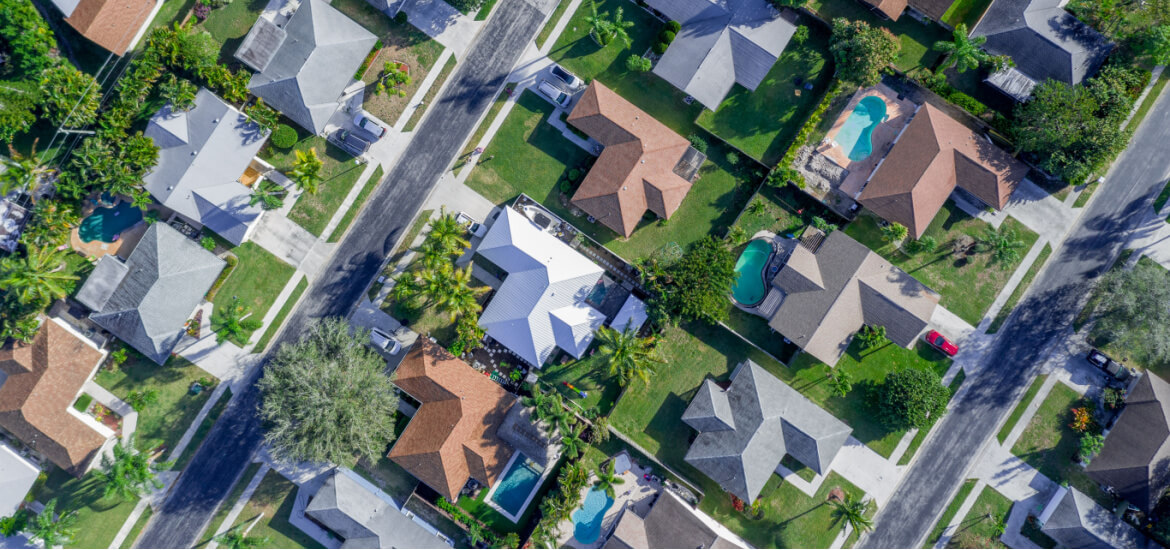
These days, more and more people who might once have planned to buy a house are instead considering renting a single-family home. But, as with any rental, there are risks. From problem properties to dubious lease agreements to rental scams, the would-be tenant should proceed with caution.
With that in mind, here are 11 red flags to look out for when looking to rent a single-family home.
1. Pushy Landlords
Landlords and letting agents who pile pressure on you typically hope to force you to make a rushed decision. This can frequently result in you renting a home that isn’t what you were looking for while being tied up by the unfair conditions of the agreement.
Pushy landlords might try to play you against “other bidders”, making it seem as if there are already a lot of offers on the table, and if you want to “win” the battle, you’d better act fast. In other cases, they may pressure you to ignore any problems you’ve come across.
Just remember, if you feel pressured into making a decision, it’s always a red flag.
2. Homes That Are Too Good To Be True
This common rental scam will usually start with an online ad, typically on more informal channels like Craigslist. The ad will highlight a home with a rental price that is far below anything else on the market. It’ll normally come with a huge array of amenities too. When you call the number, the “landlord” normally won’t be able to meet you at the property, but will pressure you to pay a deposit quickly.
If it sounds too good to be true, it almost always is. So, be sure to use trusted real estate listing platforms when searching for rentals, and never pay a deposit if you haven’t seen the place with your own eyes.
3. No Photos on the Listing
Nowadays it doesn’t take a minute to take a few photos of your property before you list it as a rental. So any listings without photos will usually lack them for a reason. Normally, it’s because the home is unfit to rent. The same is often true for listings with vague descriptions.
This is a giant red flag and it’s normally best to scroll past. However, if you are curious, insist on a viewing before putting any money down.
4. Landlords That Demand More Money Upfront
When renting a single family home, your upfront costs should typically be the first month’s rent plus the security deposit. Additionally, you might also need to pay an application fee. If a landlord requests substantially more than the standard costs for your area, be very wary.
Upfront costs do vary by location, so be sure to check what’s normal for where you’re searching.
5. Landlords That Don’t Require a Background Check
In most cases, you’ll be required to submit a background and credit check when you apply to rent a single-family home or any kind of property. However, if a prospective landlord doesn’t ask for this, beware.
It could be a scam or it may suggest that the landlord doesn’t care about their property or the tenants who rent it. In this case, the home probably won’t be in great condition, and you’re likely to have difficulties in the future.
6. Rushed Viewings
When viewing a single-family rental that could potentially become your home for the foreseeable future, it’s always best to take your time. If the landlord or their agent seems to be rushing you, proceed with caution. They might not want you to look too closely at problem areas, hear the loud neighbors, or feel the building shake as a subway passes. So, they’ll try to rush through the process or skip certain rooms.
7. A Poorly Maintained Home
On the subject of viewings, as you walk around, keep an eagle eye on the state of the home. From the first impressions as you walk up the drive, to inspecting potential damp areas, be on the lookout for signs of poor maintenance and pests—rodent traps, scratch marks, chewed furniture, etc.
Homes that have problems with mold, peeling paint, or doors that don’t shut properly typically haven’t been well looked after. And, if the landlord hasn’t addressed these issues already, they’re unlikely to once you’ve moved in.
8. Problem Neighbors
Be sure to also take a look at your future neighbors and the surrounding neighborhood. If the area looks rundown, it can suggest that the neighborhood is in decline. Likewise, noisy neighbors can ruin your quality of life, no matter how nice the home itself is.
So, spend a good amount of time in the neighborhood to figure out who lives there and how they treat the area and their neighbors.
9. A Lack of Carbon Monoxide and Smoke Detectors
In most places in Canada and the U.S., carbon monoxide and smoke detectors are required by law in rentals. Local regulations govern how many there should be and where they should be placed, so look into this in advance. As you view a home, be wary if it lacks the proper number of detectors. Also, ensure they’re working correctly.
10. Difficulty Contacting The Landlord
If you struggle to get through to your potential landlord or property manager before you’ve even begun your tenancy, things are likely to only get worse once you’ve moved in. This can cause delays in having problems resolved and dealing with emergencies.
So, if it’s difficult to get in touch, consider it another red flag.
11. An Unclear Lease Agreement
Once you’ve found a great home, there are still red flags to be aware of. Before paying any cash or signing a lease, be sure to go through the lease agreement and be wary of the following:
- Lack of landlord information,
- Blank spaces that can be filled in after signing—typically found under the landlord’s responsibilities,
- Vague and subjective wording—clauses and responsibilities should be specific and not open to interpretation,
- Overly complex utility payment requirements.
And if all looks good and you’re happy to sign, just be sure to keep a copy of your lease agreement.
