
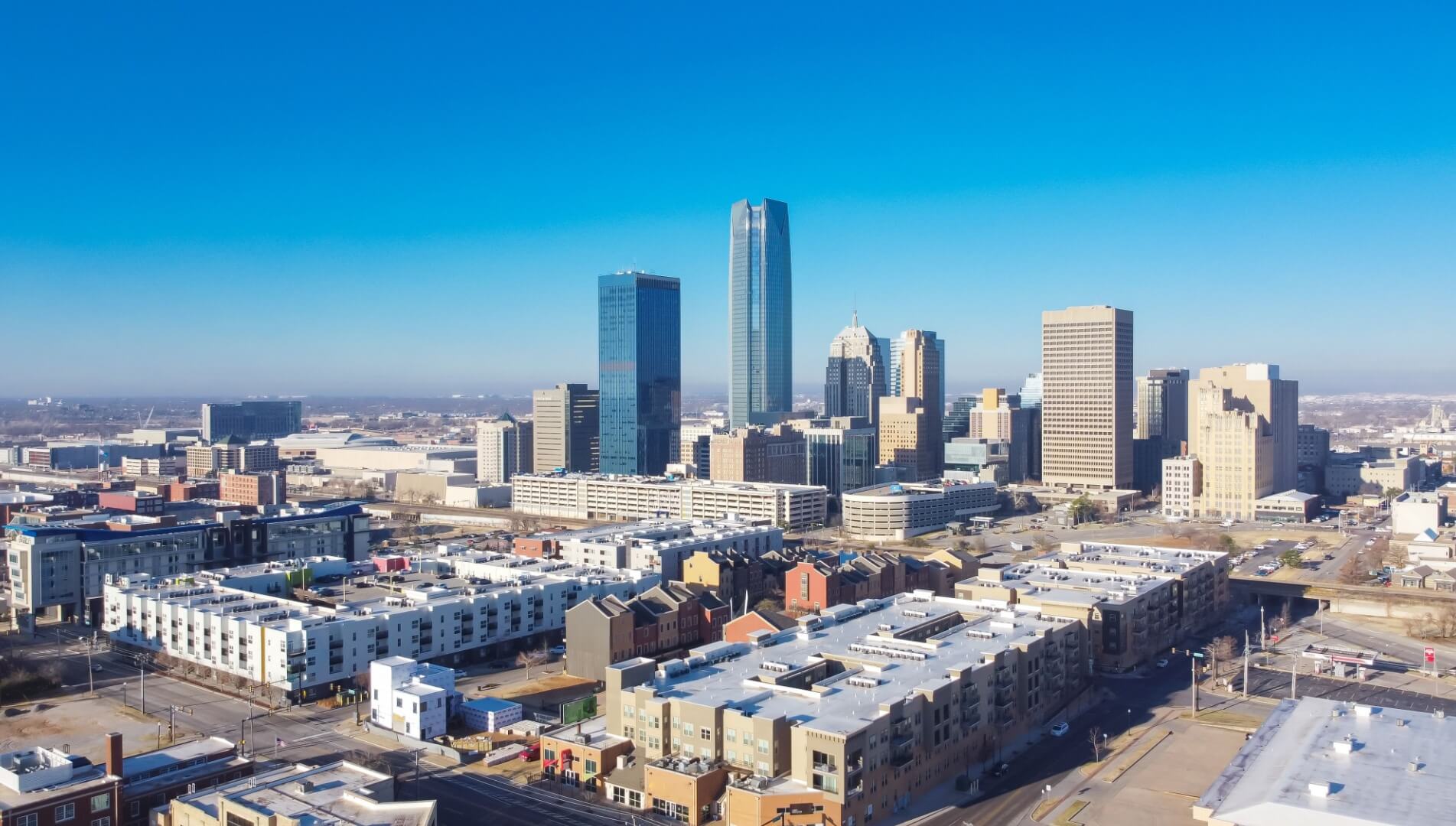
Oklahoma City has grown into one of the country’s most dynamic mid-sized cities. With its thriving arts scene, major sports teams, revitalized downtown, and strong job market, the city balances deep cultural roots with rapid development. From historic neighborhoods to modern districts filled with breweries, parks, and entertainment venues, the state capital offers a lifestyle that appeals to a wide range of residents.
OKC also ranks among the best for house renters, according to a Point2Homes study. So, for those considering a move here, it’s important to weigh the benefits and potential drawbacks before making the move. Below, we break down the key pros and cons of renting in Oklahoma City:
The Pros of Renting in Oklahoma City
Oklahoma City has plenty of positives that can provide renters with a great quality of life.
1. It’s One of the Most Affordable Major Cities
Oklahoma City is consistently ranked among the more affordable major cities in the U.S., with a cost of living about 18% lower than the national average. Compared to the rest of Oklahoma, overall expenses are roughly 10% lower. Housing averages around 40% below national prices, while utilities are about 3% cheaper and groceries roughly 5% lower. The main exception is healthcare, which goes slightly above the national average (around 4% higher).
2. There Are Tons of Outdoor Activities to Enjoy
Oklahoma City is home to over 6,800 acres of parkland, spread across more than 170 public parks. They boast over 100 miles of trails, making it easy to enjoy nature throughout the city and beyond.
Scissortail Park is popular among outdoor enthusiasts, who can enjoy a wide range of outdoor pursuits, from boating to pickleball. Numerous lakes can be found just outside the city, such as Lake Thunderbird and Lake Hefner, offering plenty of opportunities for fishing and canoeing. Meanwhile, the Wichita Mountains Wildlife Refuge is a fairly short drive away, providing fantastic city escapes, camping, and hiking.
3. Rich Arts & Culture Scene
Beyond its famous cowboy culture and country music scene, OKC is home to a booming arts scene. The city features galleries that showcase a mix of artwork from artisans and acclaimed artists. Meanwhile, the Paseo Arts District is a veritable creative hub, with an array of boutiques and neighborhood galleries to check out.
Oklahoma City also plays host to many cultural events, such as the Plaza District Festival brings live music, food trucks, and art markets together for an annual celebration in the heart of downtown.
4. Strong Sense of Community
Oklahoma City’s nickname, The Big Friendly, isn’t just for show. Many neighborhoods foster a welcoming, community-oriented atmosphere, with block parties, local events, and volunteer opportunities that make it easy for newcomers to connect. For renters moving in, this can mean an easier transition and stronger social ties.
5. Revitalized Downtown & Neighborhood Growth
OKC has transformed its downtown with the MAPS (Metropolitan Area Projects) initiatives, leading to new restaurants, shops, breweries, and even new entertainment districts. Renters can benefit from access to these ever-expanding amenities without necessarily needing to own property.
6. Growing Food & Drink Scene
The city has also developed a thriving culinary identity, with farm-to-table restaurants, barbecue joints, and a booming craft brewery scene. For renters, this means exploring different neighborhoods often comes with the bonus of discovering new local flavors.
The Cons of Renting in Oklahoma City
For the most part, the pros far outweigh the cons of renting in Oklahoma City. However, it’s essential for renters considering a move to be aware of the not-so-great things about the city. Here are some of them:
1. Extreme Weather
Sitting in the heart of Tornado Alley, Oklahoma City is more prone to tornadoes than other major cities. April through May usually sees the most violent storms, as tornado activity ramps up.
Besides tornadoes, the city experiences extremes of weather throughout the year, with cold winters and hot, humid summers. Surrounded by flat grasslands, the wind is also strong pretty much throughout the year. For those moving from more temperate climates, it can take a bit of time to get used to the weather in Oklahoma City.
2. Lack of Public Transportation & Long Commutes
As a growing city, OKC experiences some degree of urban sprawl, resulting in numerous neighborhoods spread across a large area. Paired with a public transit system that isn’t particularly extensive compared to other larger cities, getting around can be a challenge. Many locals drive, resulting in traffic congestion, particularly during rush hours.
3. Limited Walkability in Many Areas
While downtown and some revitalized districts like Midtown and the Paseo Arts District are fairly walkable, much of OKC remains car-dependent. Renters without a vehicle may find it challenging to access groceries, restaurants, or entertainment outside the urban core.
4. Air Quality & Allergens
Oklahoma City often ranks as one of the toughest cities for seasonal allergies, particularly in spring and fall when pollen counts are high. Combined with occasional air quality issues from dust and industry, renters sensitive to allergens may need to prepare for a difficult adjustment.
5. Limited Nightlife Compared to Larger Cities
Though the bar and restaurant scene has grown, OKC still has a more limited nightlife compared to larger areas like Dallas or Denver. Renters who prioritize late-night entertainment options may find the scene quieter than expected.
6. Infrastructure Challenges
As the city expands, infrastructure hasn’t always kept pace. Renters might notice issues like road construction delays, limited bike lanes, and uneven investment in certain neighborhoods, which can impact convenience and quality of life.
Image: Trong Nguyen; Cami Weaver/Shutterstock.com
