
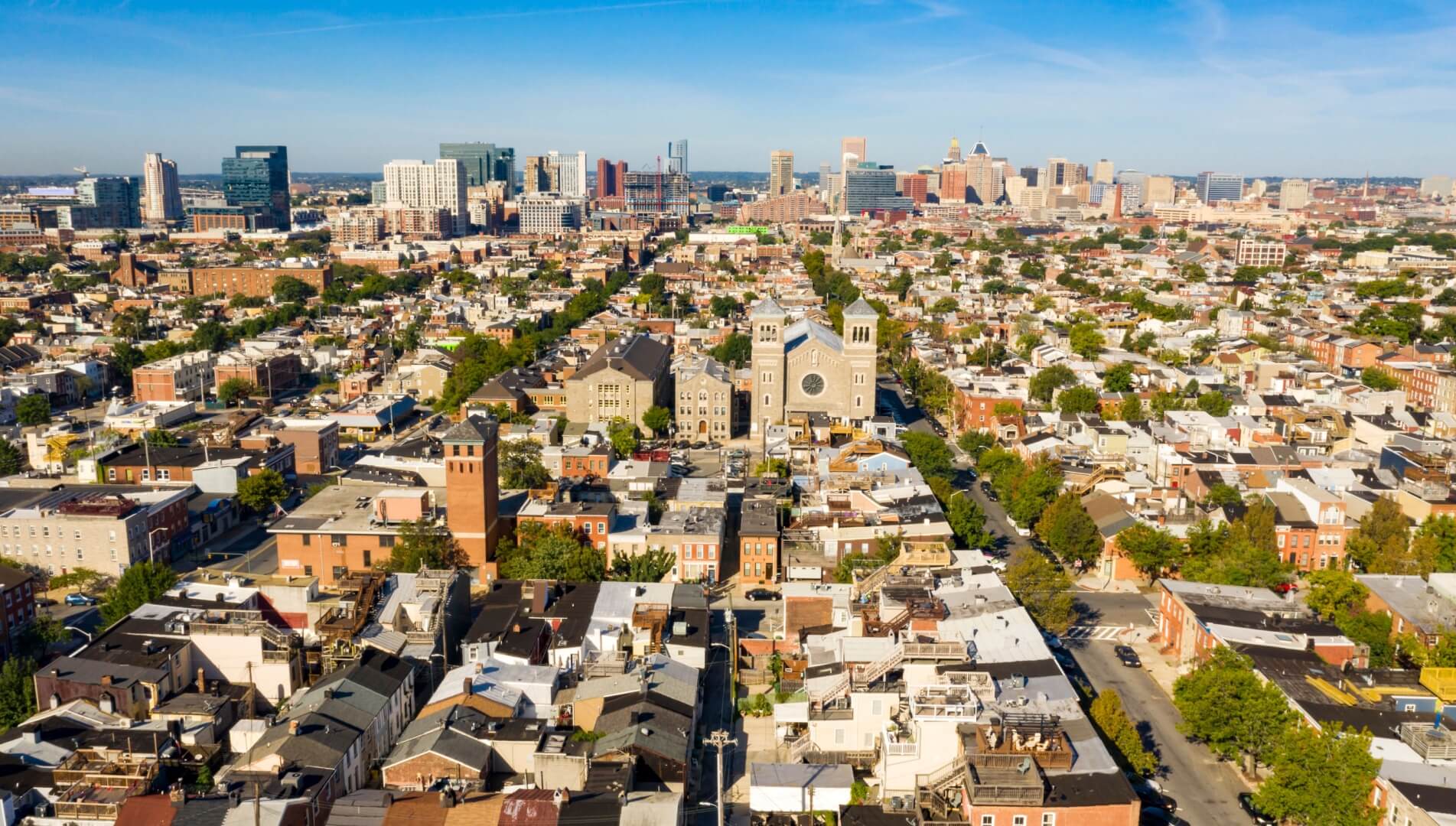
Founded in 1729, Baltimore has long played a central role in the nation’s story: as a thriving East Coast seaport, the birthplace of the Star-Spangled Banner, and a city where industry and culture intersect.
Its neighborhoods reflect layers of history alongside a strong sense of local identity, from historic row houses to bustling waterfront districts. For those considering renting in Baltimore, the city presents both advantages and challenges that are worth exploring before making it home.
The Pros of Renting in Baltimore
Moving to Baltimore can be a fantastic choice for a number of reasons. Here are just some of the main advantages:
1. Rich Historical Legacy
History enthusiasts will find plenty to explore in Baltimore. From Fort McHenry, where the Star-Spangled Banner was penned, to the preserved 19th-century row houses of Fell’s Point, the city offers a window into America’s past at nearly every turn. Museums, historic ships docked at the Inner Harbor, and walking tours through centuries-old neighborhoods make living in Baltimore a daily reminder of its important role in U.S. history.
2. It Boasts an Exciting Art Scene
Culture vultures will love life in Baltimore. There’s no shortage of art galleries to check out, with work inspired by cultures across the globe. The Baltimore Museum of Art and the Walters Art Museum are both well worth a visit for discovering tens of thousands of pieces that range from traditional Native American crafts to modern minimalist works.
The city streets are adorned with murals, and art markets are common, where locals can pick up local arts and crafts from artisans in their neighborhood. Artscape, the largest outdoor free art festival in the country, sees all of these art forms come together for an annual celebration in the heart of downtown.
Theatre-goers will also find plenty of theatres to check out within the city, and live music aficionados will be spoilt for choice when it comes to concerts and gig venues. From classical concerts to cozy jazz bars to an exciting indie music scene, there’s something for everyone.
3. It’s a Top Choice for Foodies
With a coastal location and a diverse population, the food scene in Baltimore offers a blend of flavors from across the world, modern twists, and traditional charm. Seafood, in particular crab, is what the city is best known for, and the giant crab cakes on offer in Lexington Market are not to be missed.
However, there’s more on the menu than seafood. From Polish dumplings to Ethiopian Wot, local restaurants cater to a wide and varied palette.
4. Exciting Neighborhoods
As a historic city, Baltimore has developed a few distinct neighborhoods, each bristling with charm and a character of its own. Fells Point is famous for its cobblestone streets and colorful facades, while Station North is bursting with even more color, with artwork adorning most walls and even the sidewalks.
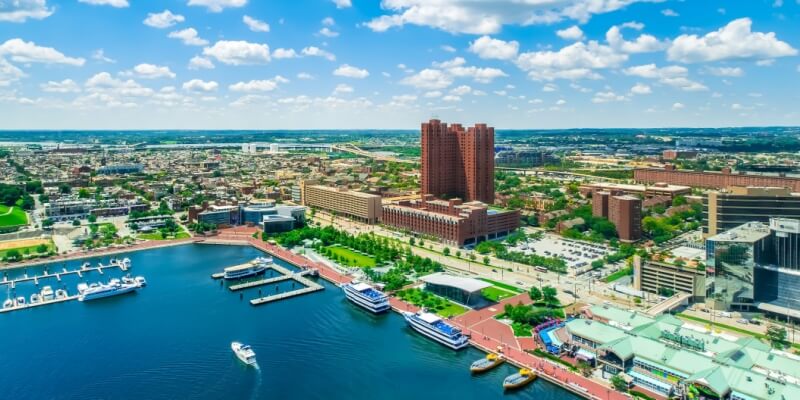
Waterfront neighborhoods, such as Inner Harbor, feature sleek views of the city skyline, while the tree-lined streets and historic homes of Roland Park provide peace and tranquility for those looking for a slice of suburbia within the city.
5. Strong Sports & Entertainment Culture
Baltimore is a city that knows how to rally around its teams. Whether you’re catching an Orioles game at Camden Yards, cheering for the Ravens at M&T Bank Stadium, or joining community events tied to local athletics, the city’s sports culture fosters a strong sense of community. Beyond the big leagues, Baltimore hosts festivals, concerts, and waterfront events year-round, ensuring that there’s always something happening for residents to enjoy.
The Cons of Renting in Baltimore
Despite the various advantages of renting in Baltimore, there are also some downsides to consider.
1. The Job Market Can Be Limited
Baltimore’s economy is predominantly driven by the education and healthcare sectors, and most other industries have little presence. Outside of healthcare and education, the finance sector is the next largest employer. As a result, the job market can be competitive when it comes to sectors such as tech or manufacturing. It’s worth noting, however, that Baltimore has a growing cybersecurity sector, due in part to its proximity to D.C. and federal agencies.
2. Traffic Can Be Tricky
Baltimore is one of the more walkable major cities in the U.S., the Downtown in particular. But many residents are still fairly car-dependent, especially further out in the suburbs. And, while the city boasts a fairly comprehensive public transit network, consisting of a commuter train, buses, and a light rail service, renters may find that the coverage is somewhat limited in some places.
As a result, traffic can become congested during rush hours. Having said that, commute times in the city are typically more or less on par with the national average.
3. Aging Housing & Infrastructure
As one of the country’s older cities, parts of Baltimore still struggle with aging infrastructure. Older water systems, historic buildings in need of upkeep, and road repairs can sometimes affect daily life. While ongoing revitalization projects aim to improve these issues, renters may occasionally encounter inconveniences tied to the city’s age.
4. Weather Extremes
Baltimore’s mid-Atlantic location brings four distinct seasons, but also some challenging weather. Hot, humid summers can be intense, while winters may bring snow and icy conditions. In addition, the city’s proximity to the coast means that heavy rain and occasional flooding can occur, particularly in low-lying neighborhoods.
Image: Real Window Creative; Fast Speeds Imagery/Shutterstock.com
