

With summer just around the corner, now is a great time for house renters to prepare for higher temperatures and hotter homes. In hot climates, the summer sun can soon become unbearable in a home with inadequate cooling systems.
For house renters, there’s not much they can do about installing home improvements for a cooler, more comfortable home, as it’s down to the landlord to make those kinds of changes. However, house renters aren’t without options.
Indeed, there are many things that renters can do now to ensure they have a great summer in their rental house. In this guide, we’ll take a look at 12 simple and affordable tips.
1. Spring Clean and Declutter
The heat of summer isn’t ideal for giving the home a deep clean, which is why most people prefer to carry out a spring clean instead. This is a great chance to get rid of the clutter and clean the house from top to bottom, providing more space and higher levels of comfort, just in time for the lazy summer months.
2. Check Air Conditioning Units
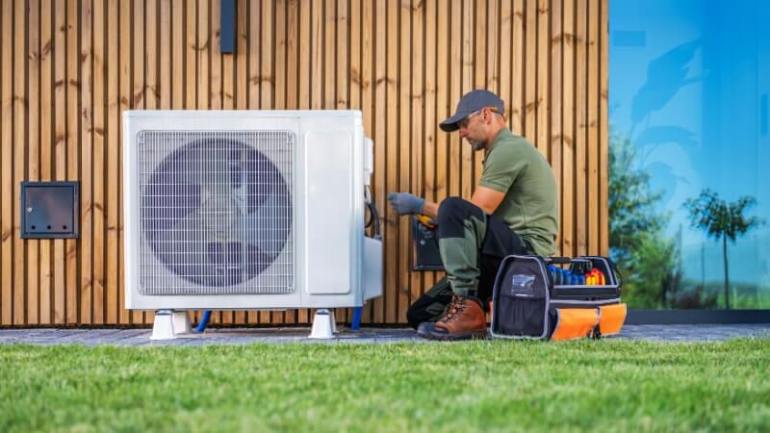
Spring is also a great time to check that the air conditioning unit is working properly. Many people won’t switch it on until summer really kicks in. But if there’s an issue with it that needs to be repaired, it’s better to address it sooner rather than later. By checking that everything works before it’s needed, renters will have ample time to arrange repairs and ensure that it works when summer begins.
If there are problems, renters should inform their landlord, who is usually responsible for the repairs. However, renters can check and either clean or replace the filters if necessary. Clean filters ensure efficient air flow, allowing the AC to function as designed while reducing energy bills.
3. Contact the Landlord
For most landlords, it’s in their best interest that their home is comfortable enough to ensure tenants will stay long-term. As such, it never hurts to reach out and discuss any potential upgrades with the landlord, especially ones that might make the house more comfortable in summer and reduce energy bills.
Renters may benefit from researching local incentives or government funding for installing energy-saving improvements and pitching it to the landlord. This can be a win-win situation, with the renter enjoying a more comfortable home and the landlord increasing the value of their property.
Alternatively, renters can also ask permission to carry out their own, smaller and less intrusive upgrades, such as smart meters or window coverings.
4. Switch to Low-Energy Bulbs
Old-style incandescent bulbs emit a lot more heat than energy-saving LEDs. While it can be difficult to notice the difference, in the height of summer, every degree matters. With LED or CFL bulbs, the temperature will drop, easing the pressure on the AC and resulting in lower energy bills.
5. Prepare the Outdoor Areas
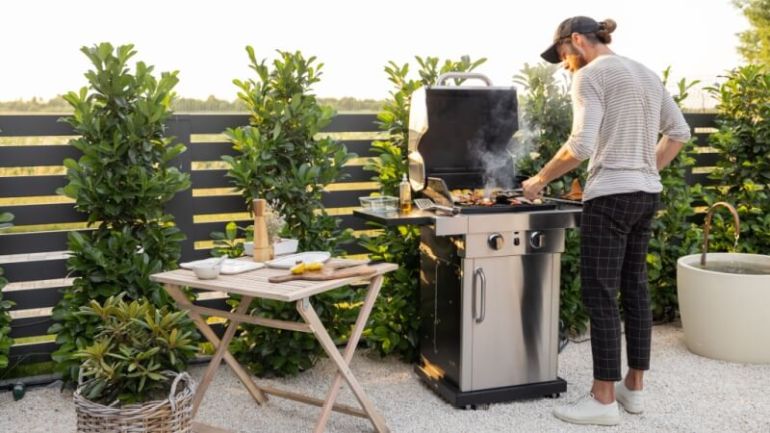
In many cases, renting a house means having access to a private yard, ideal for summer gatherings or relaxing. However, sometimes being outside can be uncomfortable in the heat of summer. But, with a little preparation, shady spots can be created, with comfy furniture to relax on.
Cleaning up the yard is a great job for spring, and it’s the ideal time to plant some new plants to create a more attractive space come summer. Renters can gradually add comfy furniture, such as loungers and outdoor tables, and create shade with attractive parasols.
Now is also the time to consider adding a grill or BBQ to the yard. Cooking outside is a great way to keep the house cooler in summer, as all the heat remains outside.
6. Get Used to Keeping Doors Closed
When the air conditioning is on in a house, it will cool the air in every part of it it can. That includes inside cabinets and cupboards. As such, it’s worth ensuring the doors to areas that don’t need to be cooled are closed. For example, cupboards used to store winter wear or dishes don’t need cooling, so get into the habit of keeping them closed.
The same applies to unoccupied rooms. Keep these doors closed too, and shut any cooling vents within them to enable the AC to cool just the parts of the home that need it. Chimneys create another void that doesn’t need to be cooled, so be sure to close the flue off.
7. Install Window Coverings
Most landlords will allow renters to install window coverings such as blinds, drapes, and curtains. These can go a long way to reducing the temperature in a home, as windows in full sunlight will create a lot of heat. Some coverings have thermal ratings, so it’s worth shopping around.
In areas with long hours of sunlight during summer, it can be worth installing blackout curtains to block out light at night and early mornings, as well as heat.
8. Use Fans Instead of AC
For renters looking to keep their energy bills down or who don’t have AC, fans can be a fantastic alternative. They use far less energy than AC and ensure a steady flow of fresh air throughout the home. A good setup is essential to ensure the air circulates, and adequately powerful fans are worth investing in. As such, now is a great time to get started on creating a perfect fan setup.
For homes with ceiling fans installed, now is also the time to ensure they’re running in the right direction. In summer, most ceiling fans should spin counterclockwise, which pushes the air down rather than pulling it up.
9. Switch to an Airfryer or Microwave
Most people cook the majority of their meals indoors, which is great in winter, but can increase the temperature inside the house considerably when using a traditional stove. However, by switching to an airfryer and making more use of the microwave, the temperature can be reduced considerably.
Both of these appliances direct their energy into the food, rather than the kitchen, meaning less external heat and more comfort. Plus, both are far more energy efficient than a traditional stove.
10. Pull the Plug on Unused Electronics
The majority of electrical appliances create at least some heat while they’re plugged in. For example, TVs and computers both emit enough heat to require cooling fans and vents. So, get in the habit of unplugging such appliances when they’re not in use.
11. Dress the Bed in Seasonal Sheets
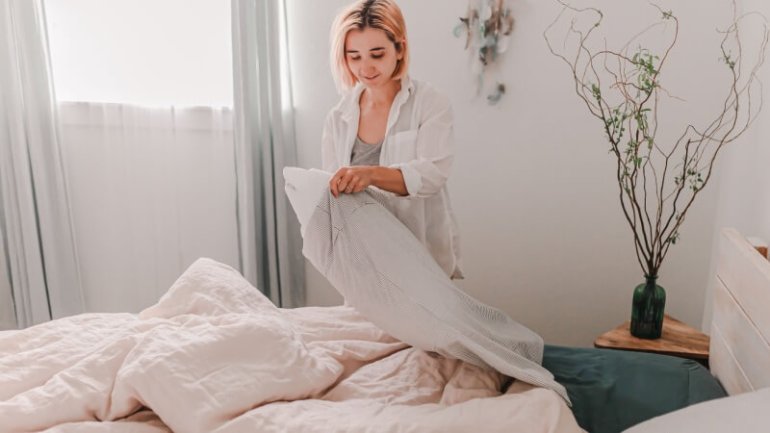
Bedsheets and duvets come in a variety of shapes and sizes, often designed to function best in a particular season. So, be sure to invest in summer bedding, which is generally thinner. Cool pillows are another good idea. Designed to draw heat away from the head during sleep, they can help keep renters cool on the warmest nights.
12. Start Taking Cooler Showers
In warm areas, the groundwater temperature in the middle of summer is often warm enough to shower in comfortably. So, it’s worth gradually getting used to showering in increasingly cooler water, preventing the need to heat the water at all in summer. This also reduces energy bills, first by not heating the water and second by not warming up the house with steam.
Image credit: Virrage Images, RossHelen, Regina Foster / shutterstock.com
