
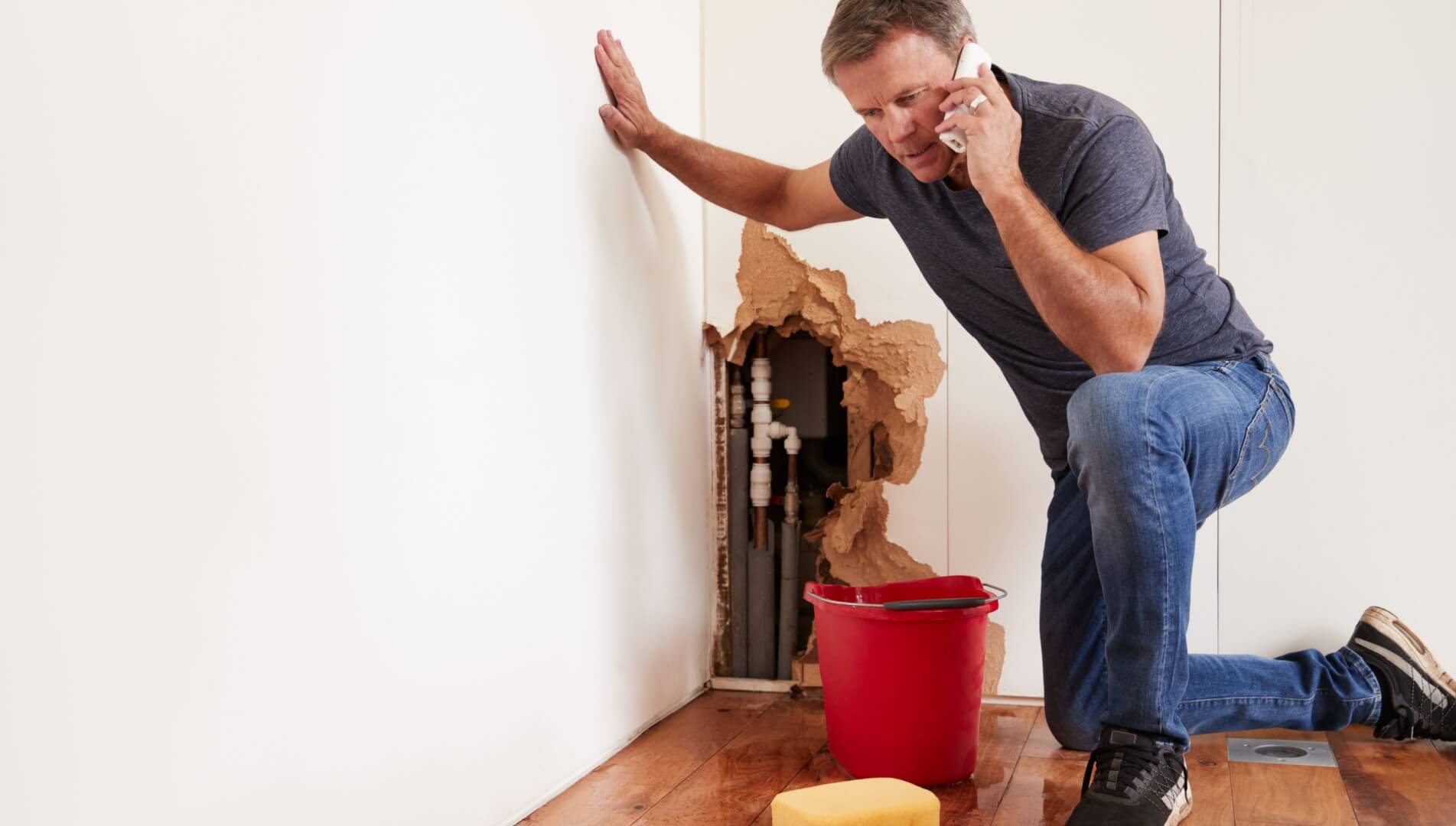
Flooding is one of the most destructive events someone can face — and it doesn’t always take a natural disaster to cause it. Whether it’s due to severe weather, overflowing rivers, or a burst pipe inside the home, floods can cause devastating damage in a matter of minutes.
Floods and severe water damage can cause irreparable damage, destroying possessions, forcing people out of homes, and often come with high recovery costs. To make matters worse, most insurance policies don’t cover flood damage. For those living in houses for rent, the situation can feel especially overwhelming, with many unsure of their rights or options.
So, what can renters do if their home has been flooded? What is their insurance doesn’t cover it? Let’s take a look at several options for renters who find themselves in this unfortunate situation — plus key steps they can take to recover faster and protect themselves going forward.
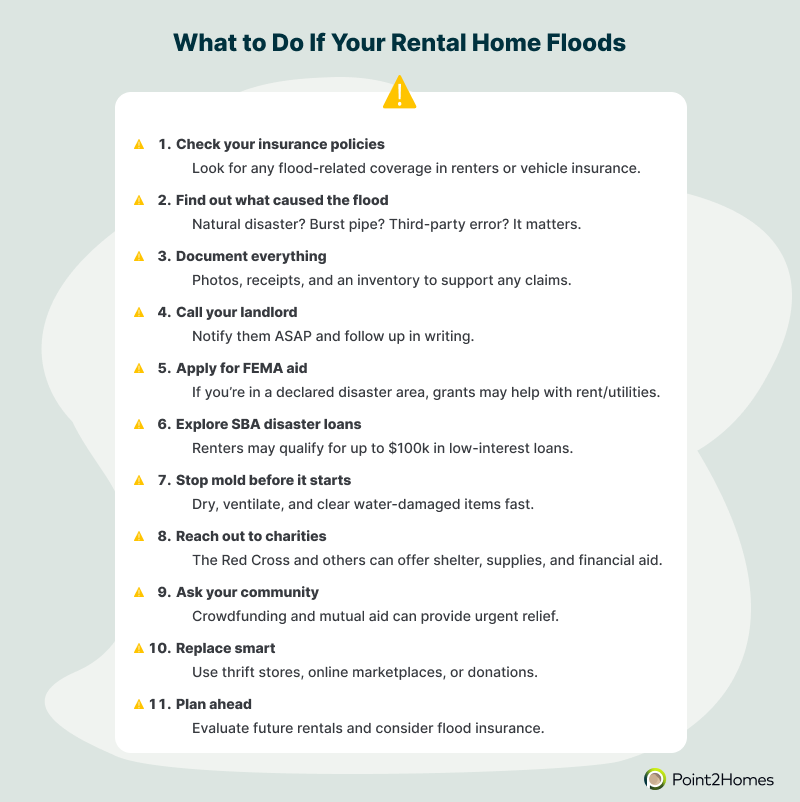
1. Check Insurance Policies
First, determine whether you have renters’ insurance — and if so, whether it covers flood damage. While most policies exclude natural flooding, it’s worth reviewing the sections on personal possessions and additional living expenses to check for exceptions. If flood damage is listed as a covered peril, you may be able to file a claim for your belongings or temporary housing. Keep in mind that structural damage is the landlord’s responsibility.
Also, check your vehicle insurance. Flood damage to your car may be covered, even if your renters’ policy isn’t.
2. Establish the Cause of the Flood
Floods can occur for different reasons. The type of flood that most renters’ insurance policies don’t cover as standard is caused by natural means, such as excess rain and burst river banks. However, floods within the home caused by burst pipes are probably covered, as long as the issue wasn’t caused by neglect from the renter.
In addition, if the flood was caused by a third party, such as landlord neglect or a mistake made by the water company, the party at fault will be responsible for covering the costs of the resulting damages. In this case, even without insurance, the renters won’t be responsible for covering the full costs.
3. Document the Damage Immediately
Once it’s safe to return, renters should thoroughly document everything. This includes taking photos and videos of all damaged possessions, the affected rooms, and any structural issues. A written inventory of items lost or ruined (including estimated value if possible) can help when applying for assistance.
Renters should also keep receipts for any temporary expenses, such as hotel stays, emergency purchases, or cleanup supplies. These records will be essential when applying for subsequent loans or seeking reimbursement from third parties.
4. Contact the Landlord
A flood in the home or even in outdoor areas such as the yard should be reported to the landlord or property manager as soon as possible. When flagging up the incident, it’s important to emphasize the urgency of the situation and flag it as an emergency.
It’s best to call the landlord or property manager directly to report a flood, rather than relying on maintenance reporting platforms or emails. Having said that, once the call has been made, it’s worth following up with an email to ensure a written copy of any communication is made.
The landlord/property manager bears the responsibility for ensuring the home is habitable, so the sooner they know about the issue, the sooner they can arrange for repairs and clean-up. In some cases, renters may be entitled to rent abatement or early lease termination, depending on the severity of the damage and local tenant laws.
5. Seek Assistance From FEMA
The Federal Emergency Management Agency (FEMA) provides grants to those living in declared major disaster areas in the United States. FEMA grants are available for homeowners and renters alike, regardless of whether they have insurance or not.
If their home is in an affected area, renters can apply for FEMA disaster assistance. Depending on the specific circumstance, they may be eligible for financial assistance that helps fund the costs of finding alternative housing if their home is uninhabitable as a result of a natural disaster, including floods. The aid can also help cover the cost of rent and that of essential utilities.
FEMA grants do not have to be paid back and are paid out at the Fair Market Rent (FMR) rate for the area affected. However, renters living in a Special Flood Hazard Area may not be eligible for assistance. It’s also worth noting that renters who have already claimed flood aid at the same address also probably won’t be eligible if they haven’t taken out flood insurance in the meantime.
Check out the FEMA website for more details.
6. Apply for an SBA Disaster Loan
While FEMA can help cover rent costs, an SBA (Small Business Administration) loan can help cover the cost of replacing any possessions destroyed in the flood. Like FEMA assistance, the home must be located in a declared disaster area for the renter to apply for a loan.
Unlike FEMA assistance, the SBA loan will need to be repaid. However, payments are typically deferred for the first 12 months, with no interest being accrued during this period. After that, interest is capped at 4% for applicants who are unable to obtain credit elsewhere. Additionally, the loan term can be as long as 30 years with no early payment penalties or fees.
Despite the name, SBA loans are not only for business owners. Renters are entitled to borrow up to $100,000 to replace or repair damaged possessions, regardless of whether they’re insured or not. The loan can be used on clothes, furniture, appliances, electronic goods, and much more.
Note: As with FEMA, renters in Special Flood Hazard Areas may face eligibility limits.
7. Prevent Mold & Secondary Damage
Time is critical after a flood. Mold can begin growing in as little as 24–48 hours, turning a bad situation worse. Renters should try to ventilate the space using fans or dehumidifiers, remove wet carpets or fabric items, and avoid turning on HVAC systems unless cleared by professionals.
Taking steps to prevent further damage not only protects what remains but also shows responsibility when dealing with landlords, insurance providers, or assistance programs.
8. Contact Local Charities
For renters who aren’t eligible for FEMA assistance or SBA loans, there’s still hope. Numerous charities and nonprofit organizations will rally to the cause in the aftermath of a flood. The American Red Cross is one of the most well-known charities that offers aid to those caught up in floods.
The American Red Cross offers a range of services, including:
- Providing shelter
- Offering medical care
- Dispensing drinks and meals
- Supplying clean-up materials and tools
- Assisting in recovery planning
In some cases, the Red Cross and other nonprofits can also offer financial support, most commonly for the most vulnerable victims. Their aid can help renters replace damaged belongings, put a deposit on a new rental, or cover other urgent expenses.
9. Turn to Community Crowdfunding & Mutual Aid
If formal avenues fall short, renters can turn to community-based support. Crowdfunding platforms like GoFundMe or local mutual aid groups on social media can offer immediate, grassroots help. These platforms often allow friends, family, and even strangers to pitch in with financial contributions or donations of furniture, food, or supplies.
It’s worth noting that some nonprofits may also provide referrals to local volunteers or donors.
10. Rebuild With Second-Hand Replacements
Flood waters can soon destroy anything they come into contact with. As such, one of the most pressing matters for renters who’ve been the victims of a flood is to replace their damaged belongings. This can be an expensive endeavor for those planning to buy brand-new replacements without insurance.
Fortunately, it’s easier than ever to find good quality second-hand items. Online marketplaces cater to specific locations, with tons of listings daily. Local thrift stores are another top place to check for affordable replacements. Another great way to obtain cheap or even free goods is to simply ask friends and family. Once the situation has been explained, most people will want to help out however they can.
11. Prepare for the Future
It goes without saying that being caught up in a flood is a horrible experience, especially if there’s no chance of insurance helping to cover the costs. Fortunately, several schemes and charities exist that can help flood victims in need of aid. With a little knowledge, even the worst-case scenarios can be turned around.
Looking ahead, renters may want to:
- Consider purchasing flood insurance, which can be affordable for those in lower-risk areas.
- Evaluate the flood history and mitigation efforts of any new houses for rent before signing a lease.
- Ask landlords about preventative measures such as sump pumps or raised electrical outlets.
This article is intended for informational purposes only and does not constitute legal, financial, or emergency management advice. Disaster response protocols, tenant rights, insurance coverage, and eligibility for assistance (such as FEMA or SBA programs) can vary based on location, circumstances, and governing laws. Renters facing flood damage are encouraged to consult with a qualified attorney, licensed insurance agent, local housing authority, or emergency response professional to receive advice tailored to their specific situation and jurisdiction.
Image: Monkey Business Images/Shutterstock.com
