
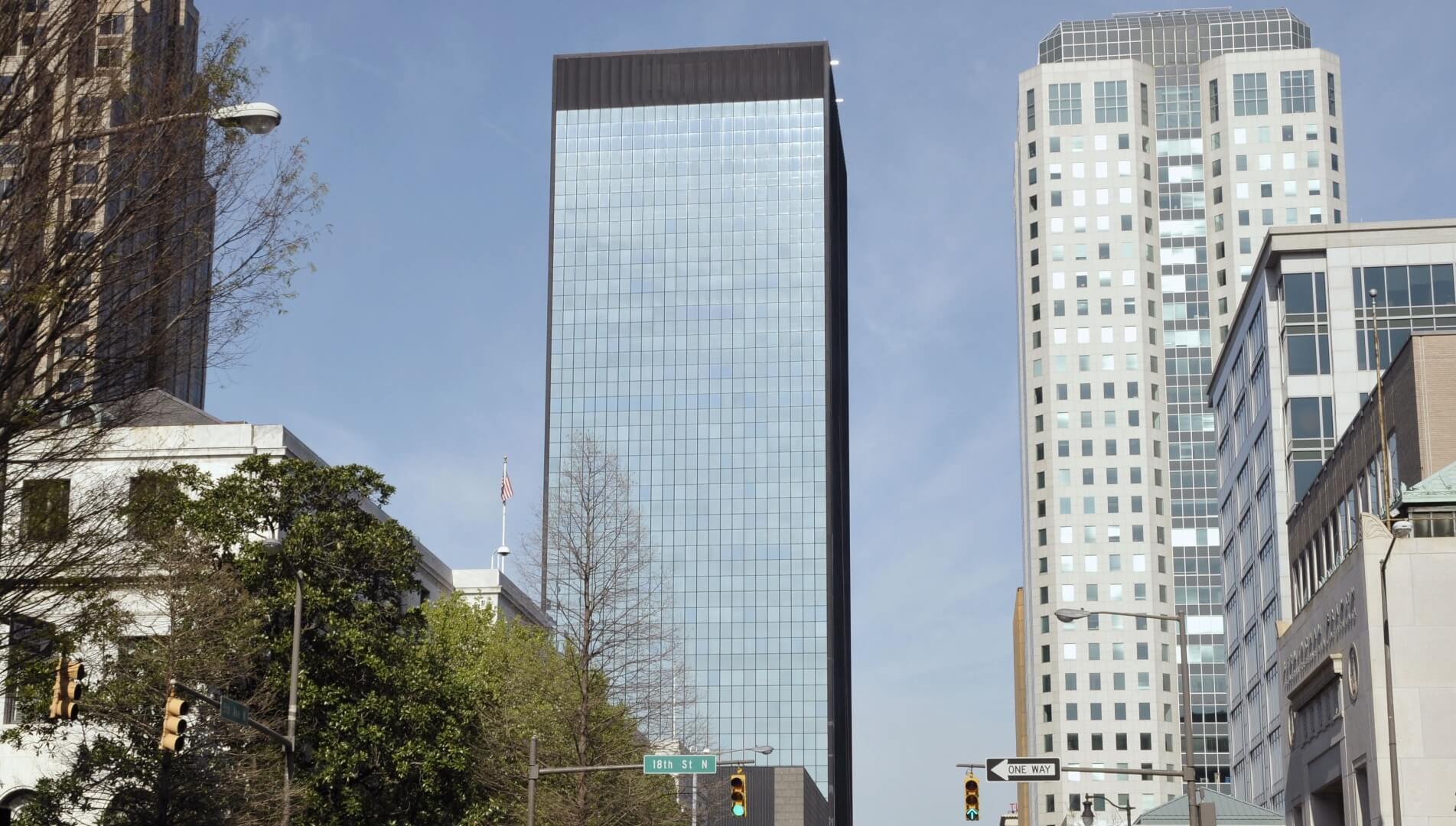
Birmingham, AL, began its life as one of the country’s most important industrial hubs, renowned for its iron and steel production. Nowadays, it has become one of Alabama’s foremost cultural and economic centers, with a diverse job market and a welcoming arts scene.
Situated at the foot of the Appalachian Mountains, Birmingham is the second-largest city in Alabama, yet it manages to strike a cozy balance, with a small-town vibe and all the benefits of big-city living. There are plenty of great reasons for renters to call Birmingham their next home, but how easy is it to get around for those without a car?
In this guide, we’ll take a good look at Birmingham’s public transport to see if it’s a viable choice for car-less renters.
What Public Transit Options Are There in Birmingham, AL?
The primary provider of public transit in Birmingham, AL, is Birmingham-Jefferson County Transit Authority (BJCTA). With a fleet of just over 100 buses, it also includes around 20 paratransit vans alongside the regular buses.
1. MAX Transit Buses
MAX Transit provides the bulk of public transport within Birmingham proper, with 18 fixed bus routes stopping at more than 1,200 stations. Routes cover an area from the Center Point suburb in the north to the city of Bessemer in the southwest of the metropolitan area, with lines crossing the city and its various suburbs.
Birmingham Central Station is the main transport hub for MAX Transit buses, with several routes departing from the station, branching out across the city. However, in the further reaches of Birmingham, bus lines become somewhat limited.
Services tend to run hourly from 5:00 AM to 10:00 PM Monday to Saturday, with no Sunday service.
2. Birmingham Xpress
The Birmingham Xpress, bus line 100, is the most utilized route in the city, a rapid transit line that operates between Woodlawn in the northeast of the city and Five Points in the center of the city. Benefiting from dedicated bus lanes and traffic signal priority, it speeds up travel for commuters, with 18 stops across the East-to-West corridor that it serves.
3. The Magic City Connector
Operating mostly within the city center, the Magic City Connector is an affordable option that runs every 20 minutes on weekdays between 7 AM and 9:30 PM. The fare for the Magic City Connector is 30 cents, with 26 stops across the Downtown and Uptown parts of the city.
4. Birmingham On-Demand
Birmingham On-Demand is a city-sponsored microtransit scheme powered by VIA. Essentially a ride-share program, it offers shared journeys across the city for a flat rate of $1.50. Commuters need to download the app to organize rides. Quick, easy, and safe due to strict regulation, it’s a convenient and affordable option for getting around the city with added flexibility.
Accessibility on Birmingham’s Public Transport
Birmingham’s public transport is remarkably accessible. All fixed route MAX Transit buses are equipped with wheelchair lifts, while Birmingham Xpress stations offer level boarding at each stop. Additionally, all buses feature reserved seating at the front of the bus for riders with disabilities, and service animals are permitted on board all services.
Beyond regular services, BJCTA also offers paratransit services on demand, with more than 20 accessible vans. On top of that, wheelchair accessible vans are available on the Birmingham On-Demand app.
How Much Does Public Transport Cost in Birmingham, AL?
Fares for Birmingham’s public transportation vary depending on the specific service, but for the most part, it’s fairly affordable. In general, riders can expect to pay $1.50 for a one-way ticket on most services, while paratransit users will normally pay $2 one-way. Meanwhile, a monthly pass will typically cost around $80. A one-way fare for the Birmingham Xpress is $1.50, or $3.50 for a round trip.
Birmingham On-Demand services run at a flat fee of $1.50 for the main passenger, plus 75 cents per additional passenger. Regular users can benefit from a $14 weekly pass or $54 monthly pass.
What’s the Average Commute Time in Birmingham, AL?
On average, Birmingham commuters spend around 22 minutes on a one-way commute, well under the national average of around 27 minutes. However, the vast majority of commuters rely on a private vehicle rather than public transport.
While there are no concrete figures regarding bus commutes, anecdotal evidence suggests that journey times are significantly longer on certain routes, while express services tend to be somewhat quicker. Meanwhile, commuters taking advantage of the Birmingham On-Demand service can expect commute times that are more in line with car drivers, but need to account for waiting times of around 10 to 15 minutes per ride.
