
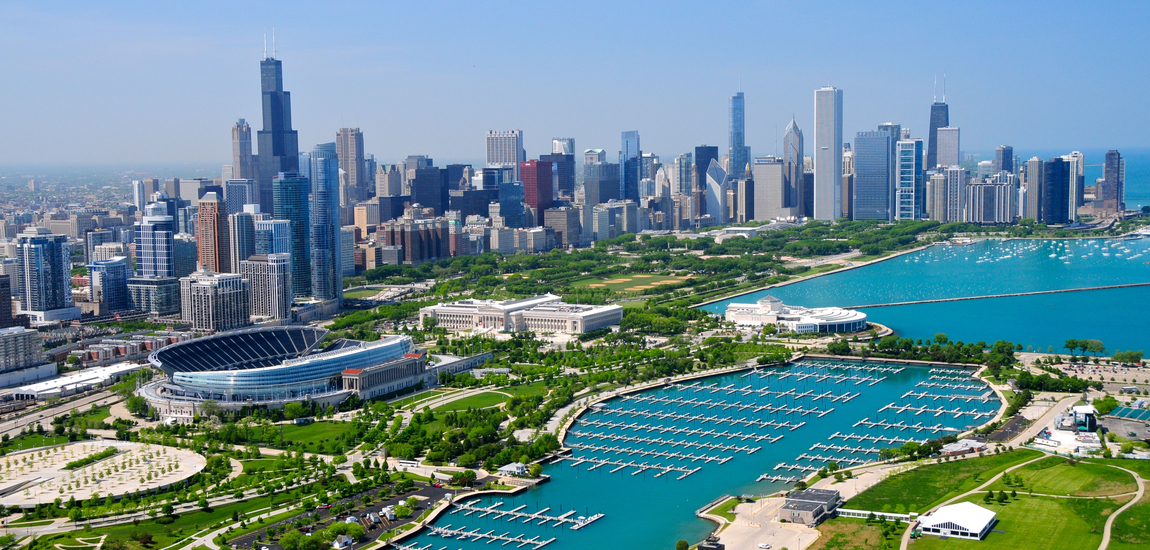
Famously known as the “Windy City,” Chicago is located on the banks of the spectacular Lake Michigan. Boasting deep-dish pizza, jazz music and more moveable bridges than any other city on earth, it’s little wonder that Chicago is affectionately called the “Jewel of the Midwest.”
And, with a population of around 2.756 million, it’s also the third-largest city in the U.S., with the third-most populous metropolitan area, as well. Home to a diverse and booming economy, Chicago also has one of the highest GDPs in the world.
Yet, despite these impressive stats, Chicago actually isn’t overly expensive — in fact, it’s rarely included among the top 10 cities with the highest costs of living in the U.S.
If you’re considering a move here, it’s well worth crunching the numbers beforehand. Read on for a breakdown of all of the living costs in Chicago — from housing to transportation and everything in between.
Housing
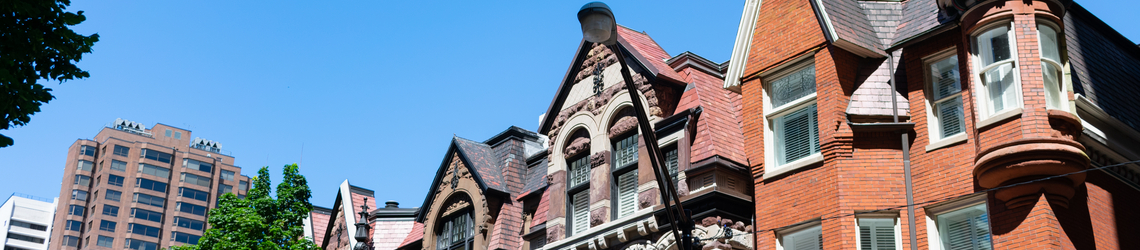
Finding a place to call home isn’t as expensive as you might think in Chicago. While it’s true that house prices and rents are slightly higher here than the national average, in comparison to other major U.S. cities, they’re actually lower. And, when you consider the advantages of living in Chicago — such as a wider range of job opportunities and superb entertainment options — the small extra cost is perhaps negligible.
What Is the Average Home Price in Chicago?
The median sales price of a typical home in Chicago is around $353,000. Across the metro area, however, properties cost less, at about $327,000, while the statewide figure is lower still at $276,000.
Specifically, single-family homes in Chicago have a median sales price of around $332,000. They’re actually a little more affordable than Chicago condos, which typically go for $365,000. As expected, apartment prices are higher in the city center, with the price per square foot averaging out at $380 compared to $210 outside of the center.
If you’re planning to take out a mortgage to buy property in Chicago, you can expect an interest rate of 5.46% for a 20-year, fixed-rate mortgage. Additionally, the median housing costs per month are $1,300 in Chicago, including mortgage payments, utilities, home association fees and other related housing costs.
How Much Is Rent in Chicago?
Renting a typical apartment in Chicago costs around $2,210 per month, based on an average apartment size of 750 square feet. Of course, prices differ depending on location, amenities and so on, and there are also rentals on the market for as little as $500. However, only 1% of apartments for rent fit the $500 to $700 price range, while 49% cost more than $2,000 per month.
For instance, the average rent for a studio apartment is between $500 and $16,810, while a one-bedroom apartment in Chicago is between $600 and $14,490. Meanwhile, two-bed apartments in Chicago go from $650 to $29,510, whereas three-bedroom options range between $900 and $29,510.
Of course, different neighborhoods feature drastically different prices. Some of the most affordable areas include:
- The Island ($720/month)
- Avalon Park ($780/month)
- Burnside ($780/month)
At the other end of the spectrum, the most expensive neighborhoods in Chicago are:
- River North ($2,850/month)
- Near East Side Chicago ($2,870/month)
- Streeterville ($2,970/month)
In general, the most popular neighborhoods in Chicago fall somewhere in the middle. These include:
What Is the Average Cost of Utilities in Chicago?
You can expect to pay $120 per month on basic utilities such as heat, water, electricity and garbage collection in a 480-square-foot studio apartment in Chicago. For two people in a 900-square-foot apartment, the figure rises to $210 per month, and a monthly internet connection will be around $60 on average.
Phone bills in Chicago can be a little more expensive than in other places, with a basic prepaid local mobile tariff costing $0.52 per minute.
Incomes & Taxes
With a booming and diverse economy comprised of many different industries and sectors, there are ample job opportunities in Chicago. Salaries in various sectors are slightly higher than national averages, which — when paired with affordable housing options — can be a strong incentive to relocate to Chicago.
However, it’s not all plain sailing. Illinois — and, by association, Chicago — is notorious for some of the highest property and sales taxes in the U.S. As such, a wide array of additional costs can creep onto your bill, so be sure to factor these into your budget, as well.
What Is the Average Salary in Chicago?
Chicagoans can expect to earn an average monthly net salary of $5,100 after-tax, which is considerably higher than the national average of $3,700. Here, the median household income is $62,100, while the average figure is quite higher, at $94,700.
The most common jobs in Chicago are management occupations, employing 11% of the local workforce and offering annual salaries of about $123,500. Otherwise, the second-most common jobs are in office and administrative support, with around 10% of the workforce hired in such positions. The typical annual wage for these roles is around $43,200.
What Is the Income Tax in Chicago?
Chicago, income taxes are easy to calculate as Illinois has a flat rate of 4.95%, so you pay the same amount of tax no matter how much you earn. However, this can be a disadvantage to lower earners, who may find themselves paying more income tax than they would in states that use a progressive tax system.
What Is the Sales Tax in Chicago?
Sales taxes in the city are decidedly more complicated to calculate than income taxes, with different rate structures applicable to various goods. For instance, groceries are subject to a 1.25% taxe rate in Chicago, while drugs and medicine are taxed at 2.25%. Additionally, vehicles have their own sales tax rate of 9.5% in Chicago or 8.25% in suburban Cook County.
Another tax bracket relates to the general merchandise sales tax, which pertains to almost any other product purchased in the city. The state rate is 6.5% plus the Cook County and Chicago city rate of 4% bring the total sales tax to 10.5% for general merchandise.
How Much Are Property Taxes in Chicago?
With an average effective property tax rate of 2.16% of the assessed home value, residents of Illinois pay the second highest amounts in property taxes in the country. The average county property tax rate in Cook County — and, therefore, Chicago — is slightly lower than the state average at 2.10%. This results in an average property tax bill of $4,984 based on a home valued at $237,200.
Moreover, several local authorities collect property taxes here, including the city government, transportation authorities and even mosquito abatement districts. In total, around 8,000 different authorities have the power to levy taxes in Illinois — far more than any other state — and all of these fees are included within the property tax rather than being paid separately.
Transportation
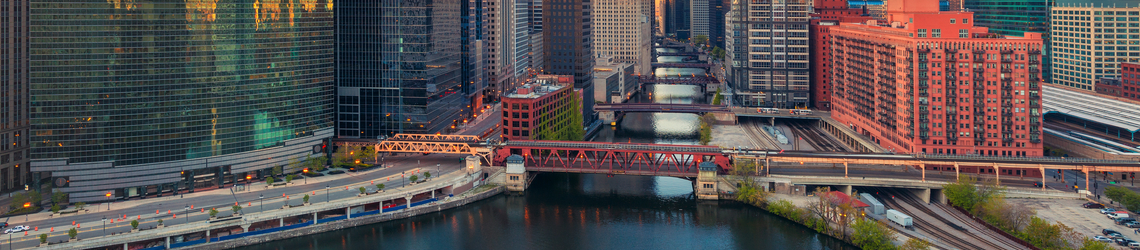
With an average commute time of 34.7 minutes, Chicagoans spend more time getting to work than the national average of 26.9 minutes. However, the city enjoys an excellent public transit network and high walkability and bike scores, making it easy to get around. As a result, just under 50% of commuters drive alone to work, while almost 26% use public transportation and 8% work from home.
What Is the Cost of Owning a Car in Chicago?
If you plan to purchase your own vehicle in Chicago, you can expect to pay around $23,000 for a Volkswagen Golf 1.4 90 KW Trendline (or equivalent) or $25,000 for a Toyota Corolla Sedan 1.6l 97kW Comfort (or equivalent). Once you’re up and running, a gallon of gasoline will typically cost $5, with a gasoline tax of $.392.
Furthermore, parking can become rather costly in Chicago, with street parking ranging between $8 and $20 per hour. And, while you can occasionally find free street parking outside the downtown districts, it is rather uncommon. Meanwhile, garage parking can be less expensive, with Chicago Transit Authority (CTA) station garages hovering around $2 to $7/h.
What Is the Cost of Public Transportation in Chicago?
Public transportation in Chicago is provided by the Chicago Transit Authority, which operates the second-largest public transit system in the U.S. It includes more than 140 bus routes and the rapid transit system known as the Chicago L, which offers eight routes covering 222 miles.
A bus fare costs $2.25, while an L-train fare is $2.50. Additional transfers are free for two extra rides within two hours. Various passes can help regular commuters slash their costs, with a one-day pass costing $5, a seven-day pass at $25 and a monthly pass at $75.
On average, a taxi in Chicago starts at $3.50, plus $3.40 per mile.
Healthcare & Childcare

The cost of visits to healthcare professionals in Chicago is more or less on par with national averages, and so is the cost of medicine. Plus, Chicago is home to two of the best academic healthcare and medical centers in the U.S.: Northwestern Memorial Hospital and the University of Chicago Medical Center. So you can be sure you’re in good hands should you need medical assistance.
Conversely, childcare costs are among the highest in the country. In fact, some families may spend more on childcare than on rent or mortgage payments and other necessary items.
How Much Is a Visit to the Doctor in Chicago?
A typical 15-minute visit to the doctor will cost $110 on average, while a visit to the dentist or the optometrist is marginally cheaper and hovers around $100. Medicine costs about $15 for a pack of antibiotics (12 doses) and six days’ worth of cold medicine such as Coldrex or Frenaol is at $10 on average.
What Is the Average Childcare Cost in Chicago?
Childcare costs in Chicago are high, especially for daycare. However, more affordable alternatives do exist if you’re not reliant on daycare. For instance, a babysitter is around $14 per hour, while a full-time nanny will typically cost $16 per hour. Or, if you choose in-home daycare, you can expect to pay between $300 and $800 per child per month.
Similarly, daycare centers in Chicago cost $200 per week on average for children under 2 years old. The price also decreases slightly as children get older, with care for a 2-year-old costing $170 per week, and for 3 years and older, $140 on average. However, annual fees can often reach $13,800, just $200 shy of a typical college tuition.
When kids are 3 to 5 years old, they can attend preschool, some of which are free in Chicago. However, private preschools typically cost around $1,700 per month. Public primary schools are free, but you can expect to pay around $20,000 per year per child at a private primary school.
Food

Chicago has an incredible food scene and is home to several unique dishes, such as Chicago deep-dish pizza and the Chicago-style hot dog — hold the ketchup! The city is home to an eclectic mix of cafes, restaurants, food trucks and fast-food joints offering dishes from across the globe. Here, you’ll find something to suit your tastes, whatever they may be — from high-end, Michelin-starred brasseries to quick and tasty street food.
For groceries, you’ll find all the usual stores, such as Trader Joe’s and Walmart. But, Chicagoans value fresh, local produce, with almost 60 farmers’ markets located in various neighborhoods.
What Is the Cost of Dining Out in Chicago?
Eating out in Chicago isn’t overly expensive, with prices more or less in line with the national average. For example, on average, you can expect to pay around $80 for a three-course meal for two in a mid-range restaurant.
A basic lunchtime menu with a drink will generally cost around $20, while a combo meal in a fast-food joint should be around $9. A regular coffee in a cafe or restaurant will cost $5, while a small water bottle should be about $2.
How Much Does Food Cost in Chicago at the Grocery Store?
Grocery prices are rather affordable in Chicago, although farmers’ markets might be slightly more expensive than standard grocery stores. In general, you can expect to pay around $3 for a loaf of fresh white bread, $3 for 12 eggs, $5 for a pound of chicken fillets and about $3 for a gallon of milk. Also, a pound of common fruit and vegetables — such as onions, potatoes, apples, bananas and tomatoes — will typically cost between $1 and $2. Finally, a 1.5-liter bottle of water is at $2 on average.
Shopping

Chicago has an incredible shopping scene and is home to one of the most famous shopping streets in the world — the Magnificent Mile on Michigan Avenue, which includes more than 460 retailers. You’ll also find a wealth of goods crafted by local artisans and craftspeople showcased in numerous markets and boutique stores across the city. What’s more, there’s no shortage of malls and shopping districts showcasing the latest fashion trends.
How Much Does Clothing Cost in Chicago?
Looking for a new look? In Chicago, you can expect to pay just over $60 for a pair of new jeans or a little more than $40 for a new summer dress. Likewise, running shoes and sneakers typically work out to around $80, while a pair of leather business shoes will be $90.
How Much Do Personal Care Products Cost in Chicago?
Staying fresh is relatively affordable in Chicago, with prices usually on par with national averages. For example, a 12-ounce bottle of shampoo costs about $6, while a 1.5-ounce roll-on deodorant will be around $4.
You can also expect to pay about $5 for four rolls of toilet paper and just under $2 for a tube of toothpaste. A trip to the barbershop will generally cost around $30 for a standard men’s haircut in Chicago.
Leisure
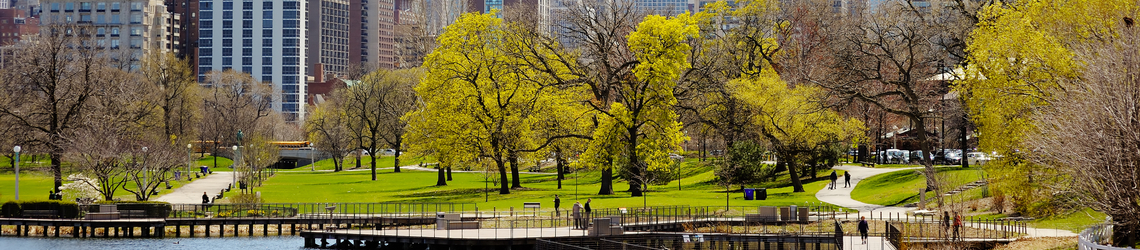
Chicago has a rich and exciting cultural scene, and the city is home to a wealth of theaters, music venues, galleries, museums and many other attractions. With more than 600 parks spread across 8,800 acres of the city, there are also various free activities to enjoy, from cycling to picnicking. In addition, you’ll find 23 swimming beaches and numerous waterfront districts and attractions.
How Much Does Entertainment Cost in Chicago?
If you’re looking to make the most of the fantastic theaters in Chicago and wish to catch a play, musical or some live music, you can expect to pay $190 for two tickets (best seats in the house). Alternatively, see a classic gangster flick or the latest blockbuster at one of the many movie theaters in the area, including a classic drive-through. Two tickets to the movies cost around $30 in Chicago.
The Chicago skyline is iconic to gaze upon. Specifically, Willis Tower Skydeck allows you to climb 103 floors and enjoy the amazing panorama. Basic admission to the tower is $35, including a thrilling elevator ride and access to the glass floor balconies 1,353 feet over the city. Meanwhile, history buffs and curious minds will love the Field Museum of Natural History with its stunning array of exhibits, including dinosaurs and Egyptian mummies. Entrance costs $29 for adults, but keep your eyes peeled for recurring free admission days.
How Much Is a Fitness Gym Membership in Chicago?
It’s always good to stay healthy, and there are a plethora of gyms throughout Chicago to help you achieve your fitness goals. Note that prices here are typically higher than the national average, at around $70 per month.
However, if you’d prefer to keep your costs down, you can find several free hiking and cycling trails in Chicago. The Chicago Lakefront Trail is perfect for explorers, stretching 18 miles and taking in a mix of urban and natural surroundings.
Methodology
The information on this page was compiled using data from the following sources:
- NoradaRealEstate.com for homes prices
- RENTCafé for rent stats
- Point2 Chicago Demographics page for housing costs and household incomes
- Numbeo and Expatistan for utility costs, transportation costs, healthcare and childcare spending, food, shopping and leisure costs, home prices, mortgage interest rates and wages
- Data USA for employment and commute data
- TopDaycareCenters.com for childcare costs
- NerdWallet for healthcare costs
- Parkopedia for parking costs
- SmartAsset for tax information
- MIT Living Wage Calculator for wage ranges — Glasmeier, Amy K. Living Wage Calculator. 2020. Massachusetts Institute of Technology. livingwage.mit.edu