St. Paul, MN apartments for rent
1,325 apartments for rent in St. Paul, MN, from 195 communities.
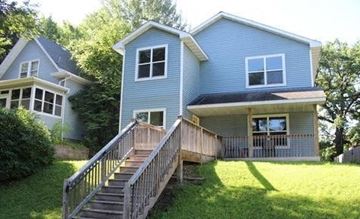
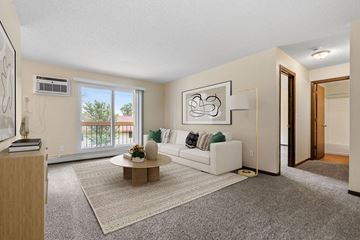
Lamplighter Village
1512 Woodbridge Street, St. Paul, MN, 55117
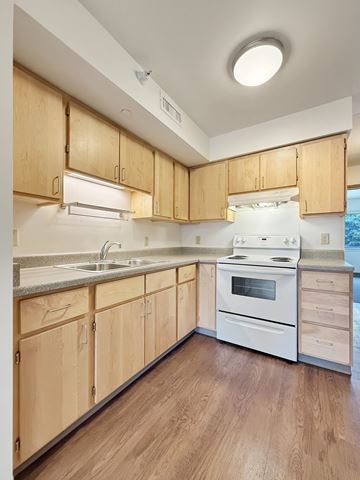
Jamestown Homes
586 Central Avenue West, Saint Paul, MN, 55103-2266
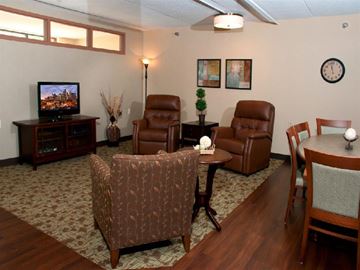
The Wellington Senior Living
2235 Rockwood Avenue, St. Paul, MN, 55116
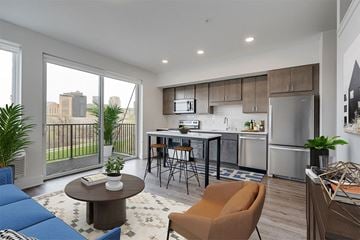
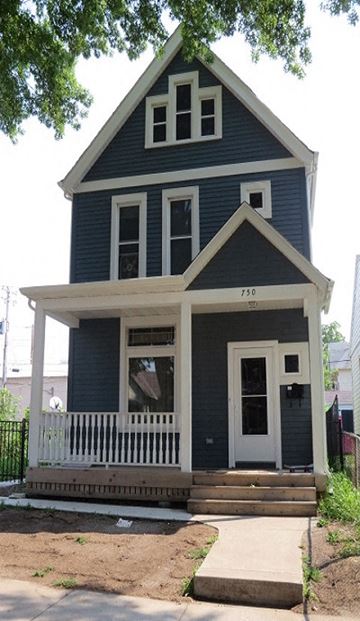
Frogtown Development
749 University Ave, St. Paul, MN, 55104
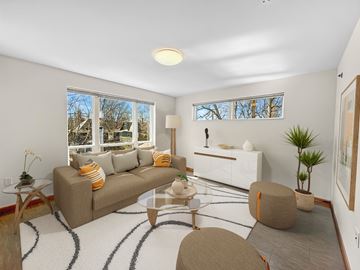
Selby Milton Victoria
852 Selby Avenue, St. Paul, MN, 55104
.jpg?width=360&quality=80)
Ramsey Hill Apartments
478 Marshall Ave., Saint Paul, MN, 55102
.jpg?width=360&quality=80)
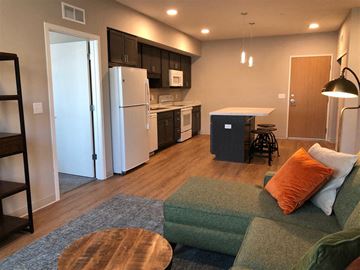
Commerce Phase 1
10 East 4th Street, St. Paul, MN, 55101
.jpg?width=360&quality=80)

.jpg?width=360&quality=80)
Nellie Francis Court
2285 Hillcrest Ave, Saint Paul, MN, 55116
Get to know St. Paul, MN
See what’s nearby
Average rent in St. Paul
In St. Paul, the average rent is $1,541 per month, with the average rental size around 802 square feet. Most renters here pay between $1,000 - $1,500, making it the most common rent bracket in the area.
- Under $1,000
- 5.9%
- $1,001 - $1,500
- 52.6%
- $1,501 - $2,000
- 27.8%
- $2,001 - $2,500
- 8.8%
- $2,501 - $3,000
- 3.2%
- Over $3,000
- 1.7%
Average utility cost in Minnesota
In Minnesota, renters typically spend around $370 per month on utilities, with costs ranging from $35 for internet to $109 for electricity, depending on factors like home size, season, and usage.

$109

$82

$36

$44

$64

$35
Think bigger. Search wider
Close by, worth a look
- West St. Paul apartments for rent
- Maplewood apartments for rent
- Roseville apartments for rent
- South St. Paul apartments for rent
- Oakdale apartments for rent
- Minneapolis apartments for rent
- Inver Grove Heights apartments for rent
- Woodbury apartments for rent
- Eagan apartments for rent
- Shoreview apartments for rent
- Richfield apartments for rent
- White Bear Lake apartments for rent
- New Brighton apartments for rent
- Fridley apartments for rent
- Cottage Grove apartments for rent
- St. Louis Park apartments for rent
- Golden Valley apartments for rent
- Bloomington apartments for rent
- Brooklyn Center apartments for rent
- Edina apartments for rent
Need a rental nearby? With Point2Homes, you can quickly browse listings for great apartments and single-family homes near your current location. Narrow down listings by price, number of bedrooms, outdoor space, or pet-friendliness. On your phone or desktop, it’s easy to find the right home near you or anywhere in the U.S. Start your local rental search now.
Renter’s City Guide to St Paul
Introduction
How big is St. Paul?
St. Paul is the state capital of Minnesota and the second-largest city in the state. Together with Minneapolis, it forms the Twin Cities area, which is the 16th-largest metropolitan area in the U.S.
What cities are close to St. Paul?
Minneapolis is literally right next door to St. Paul and getting from one city’s downtown area to the other takes about 15 minutes by car. Woodbury is also a 15-minute drive from St. Paul, while Eagan is less than 15 miles south.
What is the weather like in St. Paul?
St. Paul has a continental climate, with hot, humid summers and cold, snowy winters. The city enjoys all four seasons with significant temperature differences between them. High average temperatures occur in summer, when you can expect them to peak around 105°F, although they generally hover around 85°F. St. Paul receives around 32 inches of rain per year, most of which falls during the spring and summer months. Winters here can be quite cold, with averages around 30°F. The city is also no stranger to blizzards, when temperatures can drop as low as -32°F.
Is St. Paul a good place to live?
St. Paul’s motto is “The Most Livable City in America,” and the city strives to live up to it. As Minnesota’s state capital, St. Paul is a hub of culture, education, employment and entertainment, offering residents access to numerous parks and outdoor amenities; great public transportation; beautiful neighborhoods; and outstanding schools. In fact, St. Paul was ranked the #4 “Most Literate City in the U.S.” in 2014, according to a study by Central Connecticut State University. It was also ranked the #30 “Best City for Young Professionals in the U.S.,” as well as the #50 “Best City to Raise a Family in the U.S.”
What are the cons of living in St. Paul?
Residents mention the heavy traffic and urban sprawl as some of the downsides of living in St. Paul. The cost of living is also higher than the national average, while the weather can be prone to extremes, such as blizzards, droughts and even flooding.
Expenses & Housing Stats
How much is public transportation in St. Paul?
Metro Transit provides public transportation around both St. Paul and Minneapolis. Bus and light rail services are available, yet it’s worth pointing out that there’s a difference in fares between regular and rush hour transit. For example, a one-way cash fare is $2 outside of rush hour and $2.50 during rush hour. The city has several options for local taxi companies, as well as Uber and Lyft. If you prefer to drive somewhere yourself, you’ll be glad to hear that St. Paul residents have an average commute time of 22.5 minutes — which is below the national average of 25.7 minutes — and that gas costs around $2.49 per gallon.
How much does a meal cost in St. Paul?
The cost of living in St. Paul is slightly higher than the U.S. average, yet it’s less expensive than in neighboring Minneapolis. You can expect to pay around $65 for a three-course dinner for two in a mid-range restaurant, or around $16 for a single meal in an inexpensive restaurant. A regular cappuccino is usually $3.90.
How much are utilities in St. Paul?
Monthly utilities for a 915-square-foot apartment in St. Paul are around $188.89, which includes water, electricity, gas and waste disposal. Internet services are an additional $61.50.
St. Paul Housing Statistics
- 6,926 Single-family detached homes
- 3,033 Attached homes or townhouses
- 56,282 Apartments, ranging from smaller complexes with 2-4 apartments (9,412) to larger communities with 10 or more apartments (32,938)
Among all the available rental units in St. Paul, 17% are houses for rent (either detached or attached), and 83% are apartments.
Jobs & Education
What are the major industries in St. Paul?
St. Paul has a very diverse job market, offering employment opportunities across a wide selection of sectors. The city’s main industries are healthcare, educational services and manufacturing, but there are also plenty of jobs to be found in scientific and technical services; retail; and accommodation. St. Paul enjoys an unemployment rate of around 3%, which is below the national rate of 3.6%.
What are the top employers in St. Paul?
Ecolab and Securian Financial Group are two of the companies headquartered in St. Paul, as well as some of its top employers. Notable names also include Children’s Minnesota-St. Paul Hospital, U.S. Bancorp Information Services and Lawson Software.
Does St. Paul have good schools?
Public schools in the city are operated by the St. Paul Public School District, which is the largest in Minnesota and serves around 39,000 students. The city also has a very diverse student body. Some of the top public schools in the city include names such as St. Paul Conservatory for Performing Artists, Nova Classical Academy Upper School, Jie Ming Mandarin Immersion Academy, Twin Cities German Immersion Charter School, Great River School and Central Senior High School.
What are the top colleges in St. Paul?
If you’re thinking about moving to St. Paul and pursuing higher education, you’ll be happy to hear that the city is second in the U.S. when it comes to the number of higher education institutions per capita. There’s plenty of colleges and universities to pick from, depending on your degree of choice. St. Paul also has several post-secondary institutions, with notable names such as the University of St. Thomas, Concordia University, Saint Catherine University, Metropolitan State University, Saint Paul College, Macalester College and Hamline University.
St. Paul Employment Statistics
| Y-o-Y Change | ||
| White Collar | 130,514 | -1.2% |
| Blue Collar | 30,511 | -0.5% |
| Y-o-Y Change | ||
| Self Employees | 11,050 | -4.5% |
| Private Companies | 99,686 | -3.0% |
| Governmental Workers | 23,356 | 1.1% |
| Not for Profit Companies | 26,933 | 6.6% |
St. Paul Education Statistics
St. Paul Household Statistics
Lifestyle & Renting Tips
What is there to do in St. Paul for families?
The Minnesota Children’s Museum in St. Paul is one of the top attractions for families with kids. It has three floors of exhibits and focuses primarily on interactive, hands-on activities, such as arts and crafts; sensory play; music; and more.
What are the main annual events in St. Paul?
One of the highlights of St. Paul’s annual events is the Festival of Nations, a multicultural event that takes place throughout the course of four days. With performances, exhibits, demonstrations and cuisines of almost 100 cultural groups, the festival pays homage to the city’s diversity and has been popular with residents and visitors for more than 80 years.
Where to eat out in St. Paul?
St. Paul offers an exciting mix of places to eat out fitting any taste and budget. Some of the city’s best restaurants include The St. Paul Grill, Red Cow, Mama’s Pizza and Cossetta for Italian cuisine. Or, if you’re in the mood for something exotic, check out Ghebre’s Restaurant or Babani’s Kurdish Restaurant.
Are there parks in St. Paul?
According to its 2018 ParkScore, the Trust for Public Land ranked the city of St. Paul #2 in terms of park access and quality. Due to the sheer number of amenities, accessibility, park acreage and park funds per resident, St. Paul is one of the best cities in the U.S. for those who enjoy a bit of the outdoors right on their doorstep. One of the city’s must-see parks is the Mississippi National River and Recreation Area, a 72-mile park where you can enjoy water sports, fishing, cycling or even just hiking along the Mississippi River.
Are there museums in St. Paul?
History buffs will love exploring the James J. Hill House in St. Paul. The original architecture and furniture have been carefully preserved, allowing for an immersive trip back in time to the 1890s. You can easily make a day of exploring this 36,000-square-foot mansion, especially if you take the guided tours that explain the richness of the building’s history, as well as the historic Summit Ave. area of St. Paul.
What are the renters’ rights in St. Paul?
Renters’ rights in St. Paul are consistent with the entire state of Minnesota. The main thing to bear in mind is that the Twin Cities have no rent control, yet landlords are still required to provide sufficient notice before increasing the monthly rent. Also, there’s no limit on how much a landlord can charge as a security deposit. But, the law does stipulate that it must be returned within three weeks after the tenant has moved out. As a tenant, you have the right to withhold rent if the landlord fails to provide much-needed repairs, such as fixing a broken heater, which will prove essential during St. Paul’s cold winters.