




Dec 3, 2025 • Anonymous
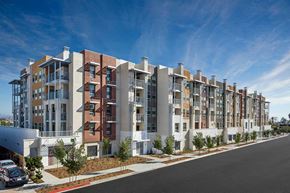
I live in an affordable senior apartment community in North Park managed by the Interfaith Housing Corporation. I moved in when the building opened in 2016 and have consistently paid my rent on time.
Unfortunately, I had to resign from my job due to health issues. As of 2026, my rent increased while my income decreased, making it much harder to maintain a reasonable quality of life. When I discussed this with management, I was informed that only a limited number of units in the building are designated for low-income tenants; the rest are part of a Tax Credit program. The community manager confirmed this and suggested three alternative living facilities where I could add my name to the waiting list. I contacted all of them, but like many people already know, the waiting lists are extremely long because affordable housing is so limited.
My experience has taught me how important it is for tenants to read their lease agreements carefully and understand whether the apartment they are moving into is truly low-income or part of a tax-credit program. Without that knowledge, tenants may find themselves in a frightening position—possibly even facing homelessness—if their income changes.
I want to be clear that I have no complaints about the building itself or the management. My intention is to help future tenants fully understand the type of housing they’re moving into, so they can avoid the difficult situation I am now facing.
.png?width=360&quality=80)


.jpg?width=360&quality=80)





.png?width=360&quality=80)
.png?width=360&quality=80)
.jpg?width=360&quality=80)
.jpg?width=360&quality=80)