Pittsburgh, PA apartments for rent
797 apartments for rent in Pittsburgh, PA, from 175 communities.
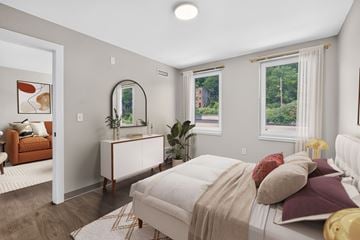
The Standard
2120 Fifth Avenue, Pittsburgh, PA, 15219
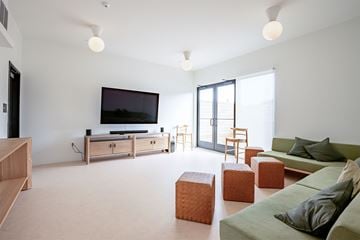
Mulberry Lofts
3205 Penn Ave, Pittsburgh, PA, 15201
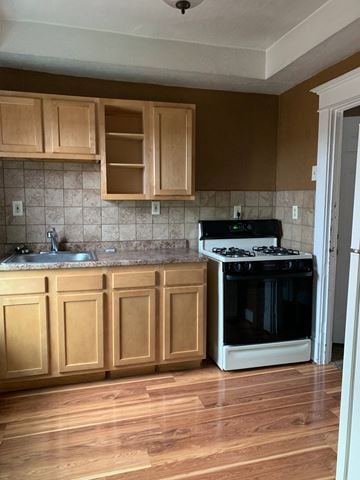

Roberta Gardens Apartments
201 Rebecca Avenue, Pittsburgh, PA, 15221

Kenmawr Apartments
401 Shady Avenue, Pittsburgh, PA, 15206
Gateway and Reserve at Summerset
1876 Parkview Blvd, Suite 102, Pittsburgh, PA, 15217

Holden Street Apartments
5733 Holden Street, Pittsburgh, PA, 15232

.jpg?width=360&quality=80)
South Negley Avenue
810/812 S. Negley Avenue, Pittsburgh, PA, 15232
.jpeg?width=360&quality=80)
.jpg?width=360&quality=80)
.jpg?width=360&quality=80)
Frick Park Village
265 Kelly Avenue, Pittsburgh, PA, 15221
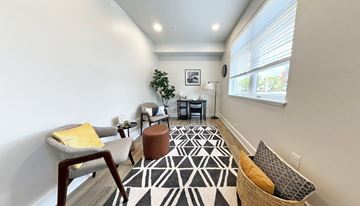
Pearl Street Townhomes
202 Pearl Street, Pittsburgh, PA, 15224
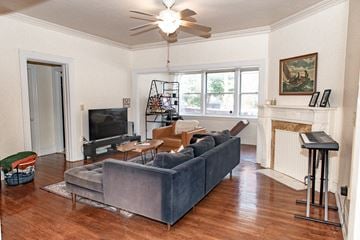
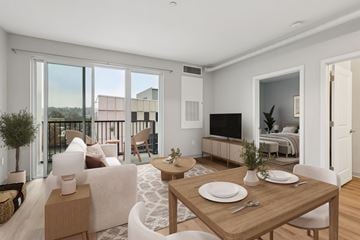
Coda on Centre
5765 Centre Ave, Pittsburgh, PA, 15206

Highland House Tower by Albion
5700 Bunkerhill St, Pittsburgh, PA, 15206
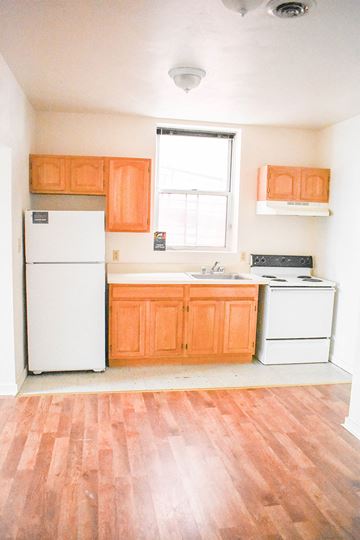

Hobart Court
5557 Hobart Street, Pittsburgh, PA, 15217
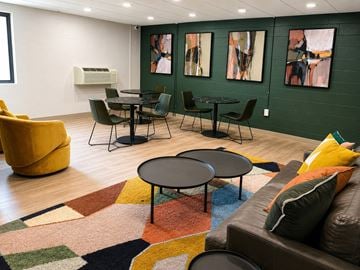
Bates Hill Apartments
3812 Bates Street, Pittsburgh, PA, 15213

Bellefonte Street Apartments
632 Bellefonte Street, Pittsburgh, PA, 15232
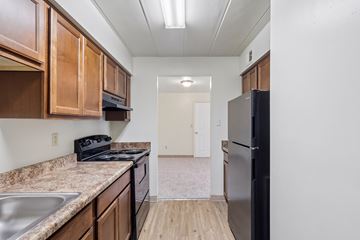
Forest Apartments
1003 Smokey Wood Dr, Swissvale, PA, 15218
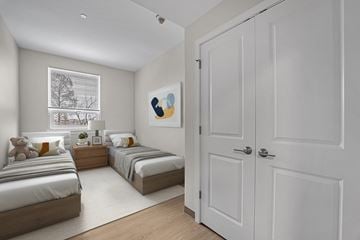
The Carina
327 N. Negley Avenue, Pittsburgh, PA, 15206
.jpg?width=360&quality=80)
.jpg?width=360&quality=80)
Letsche School
1530 Cliff St, Suite 5, Pittsburgh, PA, 15219

Howe and Maryland Apartments
5754 Howe Street, Pittsburgh, PA, 15232
.jpg?width=360&quality=80)
Highland Plaza Apartments
301 South Highland Avenue, Pittsburgh, PA, 15206

May Building Apartments
111 Fifth Avenue, Pittsburgh, PA, 15222
.jpeg?width=360&quality=80)

Helm on the Allegheny
2239 Railroad St, Pittsburgh, PA, 15222
.jpg?width=360&quality=80)
Get to know Pittsburgh, PA
Know your way around
See what’s nearby
Average rent in Pittsburgh
In Pittsburgh, the average rent is $1,874 per month, with the average rental size around 808 square feet. Most renters here pay between $1,000 - $1,500, making it the most common rent bracket in the area.
- Under $1,000
- 5.8%
- $1,001 - $1,500
- 30.8%
- $1,501 - $2,000
- 27.3%
- $2,001 - $2,500
- 21.9%
- $2,501 - $3,000
- 6.7%
- Over $3,000
- 7.5%
Average utility cost in Pennsylvania
In Pennsylvania, renters typically spend around $456 per month on utilities, with costs ranging from $31 for sewer to $142 for electricity, depending on factors like home size, season, and usage.

$142

$115

$40

$31

$64

$64
Think bigger. Search wider
Close by, worth a look
- Munhall apartments for rent
- Whitehall apartments for rent
- Bellevue apartments for rent
- Penn Hills apartments for rent
- Verona apartments for rent
- Bethel Park apartments for rent
- Oakmont apartments for rent
- McKeesport apartments for rent
- White Oak apartments for rent
- Monroeville apartments for rent
- Coraopolis apartments for rent
- Plum apartments for rent
- Moon Township apartments for rent
- New Kensington apartments for rent
- Canonsburg apartments for rent
- Murrysville apartments for rent
- Monaca apartments for rent
- Greensburg apartments for rent
- Butler apartments for rent
- Uniontown apartments for rent
Neighborhoods people love
- Shadyside apartments for rent
- Downtown Pittsburgh apartments for rent
- Homestead apartments for rent
- Bloomfield apartments for rent
- Highland Park apartments for rent
- Greenfield apartments for rent
- Morningside apartments for rent
- Manchester apartments for rent
- Hazelwood apartments for rent
- Southside Flats apartments for rent
- Friendship apartments for rent
- Elliott apartments for rent
- Mount Washington apartments for rent
- Rankin apartments for rent
Need a rental nearby? With Point2Homes, you can quickly browse listings for great apartments and single-family homes near your current location. Narrow down listings by price, number of bedrooms, outdoor space, or pet-friendliness. On your phone or desktop, it’s easy to find the right home near you or anywhere in the U.S. Start your local rental search now.
Renter’s City Guide to Pittsburgh
Introduction
Nicknamed the Steel City, Pittsburgh is known as a powerhouse of manufacturing, famed for creating steel, aluminum, glass, ships and even skyscrapers. The name is suggestive of an urban environment, and Pittsburgh certainly offers an iconic, modern cityscape. Ranked 11th among the 'most livable cities in the world', Pennsylvania's second-largest city is renowned for its friendly, open vibe.
How big is Pittsburgh?
Compared to Pennsylvania’s largest city Philadelphia, Pittsburgh is around a third of the size. With a population of around 303,500 and a total area of 58.34 sq. miles, it’s around the same size as San Francisco, California.
What other cities are close to Pittsburgh?
Situated in western Pennsylvania, Pittsburgh is around 300 miles west of Philadelphia and the journey typically takes around 3 hours. The Great Lakes lie to the north of the city, with Lake Erie being the closest at about 125 miles. Cleveland, Ohio, can typically be reached in a little over two hours.
What is the weather like in Pittsburgh?
Summers in Pittsburgh are generally warm and humid, with high temperatures averaging out at around 83°F in July. Winters are for the most part rather cold with lows averaging out at 21°F in January, and around 41” of snowfall per season on average. Extremes of temperature are not unknown, with some winter nights dropping to 0°F, but they’re not very common either, and summer temperatures seldom exceed 85°F. With annual precipitation levels of 38”, you can expect around 3-4” of rain per month.
What are the pros of living in Pittsburgh?
Pittsburgh offers its residents a friendly and open atmosphere, relative affordability, an active sports community and four distinct seasons. It's also an increasingly culturally diverse city, with minority numbers on the up. A welcoming community atmosphere makes Pittsburgh feel like a far smaller town rather than an anonymous city, while continuing to offer all the facilities and amenities you could need.
What are the cons of living in Pittsburgh?
The main downsides to life in Pittsburgh include an increasing cost of living, as well as occasional heavy traffic and limited parking in some areas of the city. However, the average commute time for a Pittsburgh resident is 22 minutes, somewhat lower than the national average of 25 and a half minutes.
Expenses & Housing Stats
How much is public transportation in Pittsburgh?
Residents of Pittsburgh enjoy a well-maintained public transport hub, with almost 100 local bus routes, as well as a subway system. A one-way ticket on local lines will typically cost around $2.75, while a monthly pass averages out at $97.50 for unlimited rides. Young children ride for free on the vast majority of services. Local taxis start at around $2.50 on average plus $4 per mile.
How much does a meal cost in Pittsburgh?
Eating out in Pittsburgh doesn't have to break the bank, and you can typically find a good meal in an inexpensive restaurant for an average of $12. A 3-course meal for two at a mid-range restaurant averages out at around $60, while a regular coffee costs typically $3.80.
How much are utilities in Pittsburgh?
You can expect to pay around $180 per month for basic utilities. This is based on a 915 sq.ft apartment and includes heating, cooling, electricity, water and garbage disposal. For an internet connection, expect to add on another $72 per month on average.
Pittsburgh Housing Statistics
- 12,651 Single-family detached homes
- 10,130 Attached homes or townhouses
- 65,914 Apartments, ranging from smaller complexes with 2-4 apartments (16,712) to larger communities with 10 or more apartments (25,508)
Among all the available rental units in Pittsburgh, 32% are houses for rent (either detached or attached), and 68% are apartments.
Jobs & Education
What are the major industries in Pittsburgh?
Known as the center of the American steel industry, manufacturing remains one of the major industries in Pittsburgh, though the steel mills no longer operate within the city limits. Other major industries include healthcare and social assistance, finance and technology. Graduates from the numerous top-rated universities in the city often find work in these fields.
What are the top employers in Pittsburgh?
The top employers in and around Pittsburgh include U.S. Steel, which remains headquartered just outside the city. Other major companies include PPG, HJ Heinz and PNC Financial Bank.
What are the top colleges in Pittsburgh?
Pittsburgh is home to numerous high-rated colleges and universities. The University of Pittsburgh is renowned for its school of medicine, while other top colleges include Duquesne University and Carnegie Mellon University.
Pittsburgh Employment Statistics
| Y-o-Y Change | ||
| White Collar | 142,673 | 0.1% |
| Blue Collar | 17,604 | -1.6% |
| Y-o-Y Change | ||
| Self Employees | 8,675 | 0.3% |
| Private Companies | 97,323 | -1.9% |
| Governmental Workers | 17,915 | 0.5% |
| Not for Profit Companies | 36,364 | 4.8% |
Pittsburgh Education Statistics
Pittsburgh Household Statistics
Lifestyle & Renting Tips
What free things are there to do in Pittsburgh?
You can find many free things to do in Pittsburgh, including walking tours of the city, hiking on iconic Mount Washington and enjoying a day out in one of the many neighborhood parks.
What is there to do in Pittsburgh for families?
Kids and adults alike can enjoy the stunning Pittsburgh Zoo and PPG Aquarium, home to a wide array of creatures great and small, including leopards, polar bears and sharks. Frick Park is among the best family-friendly parks in the city. Not only is it the largest, but it also offers numerous sports facilities, including baseball fields and tennis courts, as well as a dog park and a bowling green.
What outdoor attractions are there in Pittsburgh?
One of the most popular outdoor attractions in Pittsburgh is the Phipps Conservatory and Botanical Gardens, which offers stunning seasonal flower shows in the breathtaking Victorian Greenhouse.
What sports teams play in Pittsburgh?
Pittsburgh's culture is largely focussed on local sports teams, which include the Pirates, the Steelers and the Penguins. Every major league, from baseball to football to hockey, is covered, and there are tons of opportunities to catch a game.
What are the main annual events in Pittsburgh?
Pittsburgh is home to numerous unique events, including the delightful Pittsburgh Wine Festival, featuring tastings and exhibits, with a huge amount of the proceeds going to local charities. The annual Restaurant Week showcases the local taste sensations and encourages locals and visitors alike to eat out. The Pittsburgh Earth Day Festival celebrates citywide sustainability and is dedicated to educating, inspiring, and celebrating green initiatives.
What are the best museums in Pittsburgh?
The Carnegie Museum of Natural History is renowned for its impressive dinosaur exhibitions, while the Carnegie Museum of Art showcases a wide selection of contemporary works. The Andy Warhol Museum offers another curiously exciting day out.
Is Pittsburgh good for the arts?
Pittsburgh is a great city to enjoy the arts. The famous Pittsburgh Symphony Orchestra and the Heinz Center for Performing Arts are just 2 options, attracting musicians and fans from across the world.
What are the renters' rights in Pittsburgh?
Renters’ rights in Pittsburgh are fairly well protected. The Fair Housing Act upholds the right for anyone to find a home and protects against discrimination. It also ensures that adequate accommodation is provided to those with disabilities. Landlords must give at least 30-days notice before terminating the lease, giving the tenant ample time to relocate.