New Orleans, LA apartments for rent
430 apartments for rent in New Orleans, LA, from 99 communities.

.jpg?width=360&quality=80)
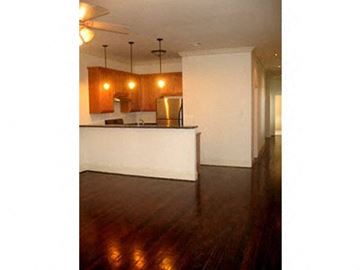
154 Alvin Callender Street
New Orleans, LA, 70118
.jpg?width=360&quality=80)
.JPG?width=360&quality=80)
.JPG?width=360&quality=80)
.jpg?width=360&quality=80)
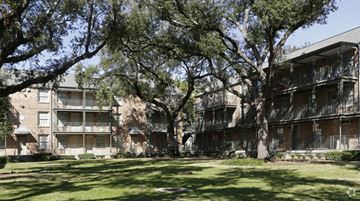
505 South Cortez Street
Front Unit, New Orleans, LA, 70119
.jpg?width=360&quality=80)
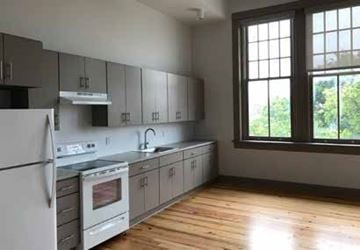
Thirteen15
1315 Gravier St, New Orleans, LA, 70112
.JPG?width=360&quality=80)
.JPG?width=360&quality=80)
.JPG?width=360&quality=80)
.jpg?width=360&quality=80)
.jpg?width=360&quality=80)
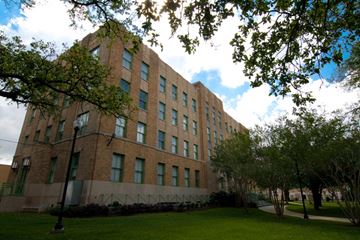
Capdau Apts
3821 Franklin Avenue, New Orleans, LA, 70122
.JPG?width=360&quality=80)
.JPG?width=360&quality=80)
.jpg?width=360&quality=80)
.JPG?width=360&quality=80)
Get to know New Orleans, LA
Know your way around
See what’s nearby
Average rent in New Orleans
In New Orleans, the average rent is $1,377 per month, with the average rental size around 889 square feet. Most renters here pay between $1,000 - $1,500, making it the most common rent bracket in the area.
- Under $1,000
- 32.6%
- $1,001 - $1,500
- 33.8%
- $1,501 - $2,000
- 21.4%
- $2,001 - $2,500
- 8.4%
- $2,501 - $3,000
- 2.3%
- Over $3,000
- 1.5%
Average utility cost in Louisiana
In Louisiana, renters typically spend around $424 per month on utilities, with costs ranging from $38 for water to $145 for electricity, depending on factors like home size, season, and usage.

$145

$58

$38

$70

$64

$49
Think bigger. Search wider
Close by, worth a look
- Chalmette apartments for rent
- Terrytown apartments for rent
- Gretna apartments for rent
- Harvey apartments for rent
- Jefferson apartments for rent
- Marrero apartments for rent
- Metairie apartments for rent
- Elmwood apartments for rent
- Harahan apartments for rent
- Slidell apartments for rent
- River Ridge apartments for rent
- Waggaman apartments for rent
- Kenner apartments for rent
- Mandeville apartments for rent
- Destrehan apartments for rent
- Covington apartments for rent
- Ponchatoula apartments for rent
- Reserve apartments for rent
- Folsom apartments for rent
- Hammond apartments for rent
Neighborhoods people love
- French Quarter apartments for rent
- Uptown New Orleans apartments for rent
- Touro apartments for rent
- St. Thomas apartments for rent
- Riverside apartments for rent
- Milan apartments for rent
- Lakeview apartments for rent
- Marigny apartments for rent
- Navarre apartments for rent
- Mid-City New Orleans apartments for rent
Need a rental nearby? With Point2Homes, you can quickly browse listings for great apartments and single-family homes near your current location. Narrow down listings by price, number of bedrooms, outdoor space, or pet-friendliness. On your phone or desktop, it’s easy to find the right home near you or anywhere in the U.S. Start your local rental search now.
Renter’s City Guide to New Orleans
Introduction
Overlooking the Mississippi River, New Orleans is famous for its jazz scene, laid-back, party lifestyle and Mardi Gras celebration. it is among the top 20 largest cities in the country and has an international reputation as a U.S. port, enjoying easy access to the Gulf of Mexico, which is situated about 100 miles south of the river. New Orleans also has a reputation for being one of the best cities for young entrepreneurs. In fact, it’s been named #1 in the country for its number of bars per capita, top travel destination for sports enthusiasts, and best city for single people.
Where is New Orleans located?
The city lies 80 miles from Baton Rouge, the capital of Louisiana, which is approximately a 90-minute drive along I-10. Atlanta can be reached in about 7 hours via mainly interstate roads, while Houston is a five-hour drive away (350 miles).
How big is New Orleans?
New Orleans is the largest city in Louisiana, followed by the capital city, Baton Rouge, and Shreveport. The city of Birmingham, Ala., has similar demographics. However, New Orleans has 1.5 times its population.
What is the weather like in New Orleans?
Due to its southern location, New Orleans has a subtropical, humid climate with short winters that don’t get much precipitation. It experiences average temperatures of 50°F. The summer months are wet and rainy, with average temperatures hovering around 83°F. Autumn sees less rain, and the mildest weather occurs in spring — just in time for the famous Mardi Gras celebration.
What are the advantages of living in New Orleans?
Thanks to its long-standing reputation as a global cultural capital, New Orleans has been home to Spanish, French and African individuals, resulting in a multicultural cuisine, as well as diverse festivals and parades. The city is known as being the birthplace of jazz music and is famous for its Mardi Gras celebrations, top-rated jazz clubs, varied restaurant scene, late night bars of the French Quarter and fun dance clubs on Bourbon Street.
What are the disadvantages of living in New Orleans?
On the flip side, the abundance of tourists can be bothersome, and the humidity of late August and September makes the temperatures feel scorching hot. And, although tropical storms and hurricanes are unlikely to hit, the city has taken measures to improve the evacuation process just in case.
Expenses & Housing Stats
How much does a meal cost in New Orleans?
Eating in New Orleans is relatively cheap, with an average meal in an inexpensive restaurant costing around $16.50, while a three-course meal for two at a mid-range restaurant has the average price of $60.
How much do utilities cost in New Orleans?
Monthly utilities for a 915-square-foot apartment cost $191.73, on average.
How to get around New Orleans?
The Regional Transit Authority ensures public transportation in the city in the form of an interconnected network of large buses and charming streetcars covering all major parts of New Orleans, with one-way tickets costing as little as $1.25. Cab companies are also abundant in the city and taxis are easy to find. The average commute time in the city is 23.8 minutes, which is lower than the national average.
New Orleans Housing Statistics
- 16,089 Single-family detached homes
- 11,330 Attached homes or townhouses
- 75,779 Apartments, ranging from smaller complexes with 2-4 apartments (24,594) to larger communities with 10 or more apartments (20,871)
Among all the available rental units in New Orleans, 35% are houses for rent (either detached or attached), and 65% are apartments.
Jobs & Education
What are the major industries in New Orleans?
Tourism is one of the largest components of the local economy, with nearly half of the city’s tax revenue originating from tourism-related industries, such as transportation services, convention events and hospitality. Logistics, shipping and commodities also make up a large bulk of New Orleans’ economy, thanks to its position as a key port city. Oil rigging also offers ample employment, due to the city’s proximity to the Gulf of Mexico. Entergy — the Fortune 500 company that specializes in nuclear power plant operations and power generation — also has a base in the city.
What are the top colleges in New Orleans?
Tulane University, Loyola University New Orleans, the University of New Orleans and Xavier University of Louisiana — the only historically Black Catholic university in the country — are some of the top educational facilities in the city.
New Orleans Employment Statistics
| Y-o-Y Change | ||
| White Collar | 148,337 | -1.8% |
| Blue Collar | 22,249 | -3.1% |
| Y-o-Y Change | ||
| Self Employees | 20,138 | -3.5% |
| Private Companies | 99,494 | -3.4% |
| Governmental Workers | 25,462 | 0.5% |
| Not for Profit Companies | 25,492 | 2.5% |
New Orleans Education Statistics
New Orleans Household Statistics
Lifestyle & Renting Tips
What parks are there in New Orleans?
New Orleans is home to gorgeous City Park — ranked among the 10 most-visited urban parks in the country — which houses the world’s largest collection of live oak trees, including the renowned Dueling Oaks.
Where to shop in New Orleans?
The Outlet Collection and Riverwalk are the most popular shopping areas in the city, featuring more than 70 brand-name stores.
What family attractions are there in New Orleans?
The Superdome is one of the most popular venues in the city, hosting a number of prestigious concerts yearly and serving as home to the New Orleans Saints football team. Smoothie King Center is similarly popular for family-friendly events and hosts the New Orleans Pelicans basketball team.
What cultural attractions are there in New Orleans?
Jackson Square is famous for its gorgeous architectural gems, featuring buildings influenced by Catholic, colonial and classical traditions.
What events are there in New Orleans?
Mardi Gras is the most famous event and is held in early March annually. It lasts about two weeks and features parades of costumed marchers. The New Orleans Jazz & Heritage Festival is another prominent annual event, celebrating the origins of jazz music and culture.
What to know about renting in New Orleans?
In New Orleans, the rental environment enables tenants to have less leverage than landlords. A 10-day notice by the landlord is enough to evict month-to-month renters, while violating lease conditions or failing to pay rent requires merely five days’ notice. Renters insurance is a necessity in New Orleans due to the city’s susceptibility to hurricanes and major storms. The lease may be terminated if a rented facility is damaged from weather-related events.