Gainesville, FL apartments for rent
191 apartments for rent in Gainesville, FL, from 41 communities.

Spanish Trace
3500 Windmeadows Blvd, Gainesville, FL, 32608
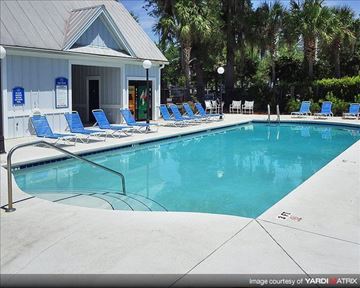
Gainesville Place
2800 SW 35th Place, Gainesville, FL, 32608
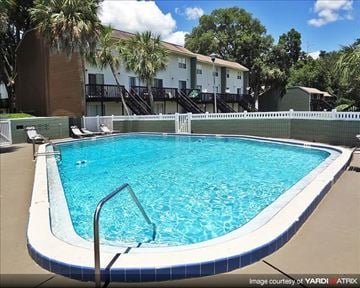
Bivens Cove Apartments
3301 SW 13th St., Gainesville, FL, 32608

Pinetree Gardens
4100 SW 20 Ave, Gainesville, FL, 32607

Greenwich Green
3515 SW 39th Blvd, Gainesville, FL, 32608

Hidden Village
2725 SW 27th Avenue, Gainesville, FL, 32608

Arlington Square List
207 SE 2nd Place Suite I-13, Gainesville, FL, 32601

College Manor
1216 SW 2nd Avenue, Gainesville, FL, 32601
Museum Walk
3500 SW 19th Ave, Gainesville, FL, 32607

Cobblestone
2801 NW 23rd Blvd, Gainesville, FL, 32605
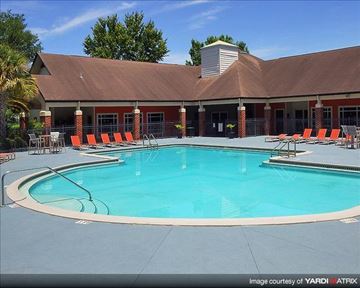
Lexington Crossing
3700 SW 27th St., Gainesville, FL, 32608
Get to know Gainesville, FL
Know your way around
See what’s nearby
Average rent in Gainesville
In Gainesville, the average rent is $1,860 per month, with the average rental size around 1,014 square feet. Most renters here pay between $1,000 - $1,500, making it the most common rent bracket in the area.
- Under $1,000
- 5.4%
- $1,001 - $1,500
- 37.5%
- $1,501 - $2,000
- 28.7%
- $2,001 - $2,500
- 12.5%
- $2,501 - $3,000
- 7.3%
- Over $3,000
- 8.6%
Average utility cost in Florida
In Florida, renters typically spend around $436 per month on utilities, with costs ranging from $38 for water to $165 for electricity, depending on factors like home size, season, and usage.

$165

$54

$38

$51

$64

$64
Think bigger. Search wider
Close by, worth a look
- Alachua apartments for rent
- Middleburg apartments for rent
- Ocala apartments for rent
- Green Cove Springs apartments for rent
- Palatka apartments for rent
- Dunnellon apartments for rent
- Lake City apartments for rent
- Silver Springs Shores apartments for rent
- Oakleaf Plantation apartments for rent
- Lakeside apartments for rent
- Fleming Island apartments for rent
Need a rental nearby? With Point2Homes, you can quickly browse listings for great apartments and single-family homes near your current location. Narrow down listings by price, number of bedrooms, outdoor space, or pet-friendliness. On your phone or desktop, it’s easy to find the right home near you or anywhere in the U.S. Start your local rental search now.
Renter’s City Guide to Gainesville
Introduction
Gainesville is a city in north central Florida. Home to the University of Florida, it’s a lively college town that manages to retain a small-town vibe. The university is famed for its fantastic sports teams, and the city has several top-rated teams in various college leagues. Surrounded by natural beauty, it’s also ideal for outdoor enthusiasts. Gainesville is also known for a thriving arts and music scene, producing big names such as The Eagles and Tom Petty and the Heartbreakers.
How big is Gainesville?
With an area of 62 square miles, Gainesville is just slightly larger than Miami. However, nearby Jacksonville is around 10 times larger.
What cities are close to Gainesville?
Gainesville is about 70 miles south of Gainesville, while Orlando is about 110 miles to the south.
What is the weather like in Gainesville?
With a humid, subtropical climate, Gainesville has hot and humid summers with average highs of around 90°F throughout the months of June, July and August. Thunderstorms are common throughout the summer, with June being the wettest month, seeing around seven inches of rainfall on average. The city typically experiences around 47 inches of rainfall per year. Winters can be colder than other cities in Florida due to its more inland location, with January being the coldest month. Average lows are around 42°F, and freezing temperatures are not too uncommon, although snow is extremely rare.
What are the pros of living in Gainesville?
Gainesville enjoys a fairly low cost of living — even by Florida’s standards — and offers a laid-back, small town vibe. It’s also a great place for nature lovers and is known as Tree City USA.
What are the cons of living in Gainesville?
The major disadvantage of Gainesville is the competitive job market. There aren’t many options, making it difficult to get a foot up on the employment ladder.
Is Gainesville a diverse city?
Gainesville enjoys a fairly diverse population, with sizable African American and Asian communities alongside a Caucasian majority.
Expenses & Housing Stats
How much is public transportation in Gainesville?
Public transportation in Gainesville is provided by RTS, which offers numerous bus lines in and around the city. A one-way ticket for local services will cost $1.50 or $.75 for students. For regular users of public transit, a monthly pass normally costs $35, or just $17.50 for students.
How much does a meal cost in Gainesville?
A three-course meal for two in a mid-range restaurant in Gainesville typically costs around $62, on average. Expect to pay around $4.30 for a regular coffee.
How much are utilities in Gainesville?
Basic monthly utilities average around $175 for a 915-square-foot apartment. This includes heating, cooling, water, electricity and garbage disposal.
Gainesville Housing Statistics
- 4,435 Single-family detached homes
- 1,451 Attached homes or townhouses
- 34,092 Apartments, ranging from smaller complexes with 2-4 apartments (6,480) to larger communities with 10 or more apartments (14,988)
Among all the available rental units in Gainesville, 17% are houses for rent (either detached or attached), and 83% are apartments.
Jobs & Education
What are the major industries in Gainesville?
The most common industries in Gainesville are education, healthcare and insurance.
What are the top employers in Gainesville?
A large number of Gainesville residents work at one of the three major employment hubs in the city: Shands Healthcare System, the University of Florida and the city government.
What are the top colleges in Gainesville?
The University of Florida is based in Gainesville and is one of the largest universities in the U.S. It ranks well among public colleges and excels in sports, with more than 50 Olympic gold medals in its collection. Plus, the local teams have won dozens of NCAA championships in various sports. Among its alumni, the University of Florida has produced two Nobel Prize winners, 42 congressmen and 10 U.S. senators.
Gainesville Employment Statistics
| Y-o-Y Change | ||
| White Collar | 63,121 | 1.8% |
| Blue Collar | 7,012 | -8.5% |
| Y-o-Y Change | ||
| Self Employees | 5,287 | 14.6% |
| Private Companies | 36,949 | -2.8% |
| Governmental Workers | 20,452 | -0.4% |
| Not for Profit Companies | 7,445 | 14.3% |
Gainesville Education Statistics
Gainesville Household Statistics
Lifestyle & Renting Tips
What outdoor attractions are there in Gainesville?
Gainesville has plenty to keep outdoor enthusiasts entertained, including the Butterfly Rainforest, the Kanapaha Botanical Gardens and the wonderful Paynes Prairie State Park that encompasses more than 21,000 acres of savanna. Within the city, there are more than a dozen nature parks, crisscrossed with footpaths and hiking trails. Finally, the Devil’s Millhopper Geological State Park offers lush vegetation, waterfalls, a canyon and plenty of opportunities to get a full body workout while enjoying the scenery.
What sports teams play in Gainesville?
Most sports in Gainesville revolve around various University of Florida teams, although Florida Gators basketball games tend to be the biggest hits and are major events in the city.
What are the main annual events in Gainesville?
Gainesville is host to some fantastic annual events, such as the Santa Fe College Spring Arts Festival — which showcases local arts — and the Cinema Verde Film Festival.
Where to go shopping in Gainesville?
There are some great places in Gainesville for shopping. Oaks Mall and Thornebrook Village Shopping Center are both home to a wide variety of stores, restaurants and bars, as well as numerous amenities.
What are the renters’ rights in Gainesville?
Renters’ rights in Gainesville are fairly well-protected, though there are a few things to be aware of. If a tenant breaks the same rule twice in one year, their landlord is able to file for eviction before you resolve the issue. This forgoes a second notice that is common in other areas and goes straight to the eviction process. In terms of late payment issues, landlords are required to file a three-day notice demanding the rent be paid, followed by a five-day notice advising that legal action is being taken.