Columbia, SC apartments for rent
730 apartments for rent in Columbia, SC, from 64 communities.
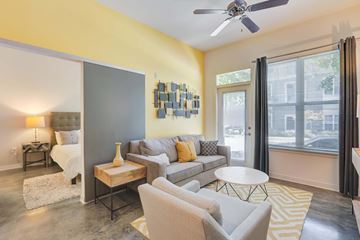
Canalside Lofts
383 Taylor Street, Columbia, SC, 29201
.jpg?width=360&quality=80)
Creekside at Greenlawn Apartment Homes
600 Greenlawn Dr, Columbia, SC, 29209
.jpg?width=360&quality=80)
Gable Hill Apartment Homes
310 Ross Road, Columbia, SC, 29223

Rice Terrace Apartments and Townhomes
100 Rice Terrace Dr, Columbia, SC, 29229
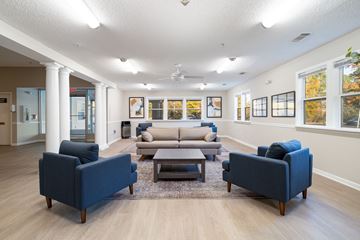

Dira East
7501 Brookfield Road, Columbia, SC, 29223
.jpg?width=360&quality=80)
Amanda Court Apartments
906 True Street, Columbia, SC, 29209
.jpg?width=360&quality=80)
.JPG?width=360&quality=80)
.jpg?width=360&quality=80)
Madison Station I
4020 Ulmer Road, Columbia, SC, 29209
Samara East
8100 Bayfield Road, Columbia, SC, 29223
.jpg?width=360&quality=80)

Colonel Bluffs
930 Ashcroft Circle, Columbia, SC, 29229
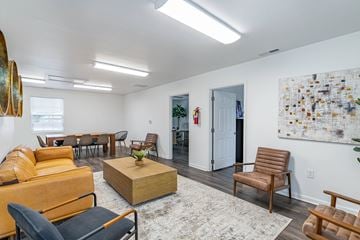
Waters at Fairfield
5313 Fairfield Rd, Columbia, SC, 29203

.jpg?width=360&quality=80)
Piney Grove Townhomes
846 Piney Grove Road, Columbia, SC, 29210
.jpeg?width=360&quality=80)
Gadsden Place, LLC
1209 Lincoln Street, Columbia, SC, 29201

Killian Terrace Apartments
508 Longtown Road, Columbia, SC, 29229


Madison Station
4022 Ulmer Road, Columbia, SC, 29209
.jpg?width=360&quality=80)
The Address Paces Run
100 Paces Run Court, Columbia, SC, 29223
.jpg?width=360&quality=80)
Madison Station II
4020 Ulmer Road, Columbia, SC, 29209

Deer Park
7225 Firelane Road, Columbia, SC, 29223
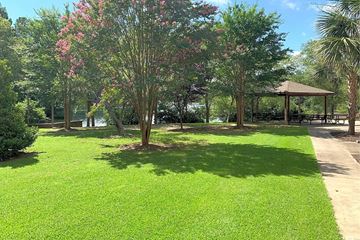
Lakeside Apartments
401 Harbison Boulevard, Columbia, SC, 29212

Jackson Creek Station
2406 Kneece Road, Columbia, SC, 29223
.jpg?width=360&quality=80)
Endora East
300 Meredith Square, Columbia, SC, 29223
.jpeg?width=360&quality=80)
.jpg?width=360&quality=80)
Get to know Columbia, SC
See what’s nearby
Average rent in Columbia
In Columbia, the average rent is $1,541 per month, with the average rental size around 1,026 square feet. Most renters here pay between $1,000 - $1,500, making it the most common rent bracket in the area.
- Under $1,000
- 16.3%
- $1,001 - $1,500
- 49.7%
- $1,501 - $2,000
- 20.8%
- $2,001 - $2,500
- 5.3%
- $2,501 - $3,000
- 2.2%
- Over $3,000
- 5.8%
Average utility cost in South Carolina
In South Carolina, renters typically spend around $404 per month on utilities, with costs ranging from $21 for water to $147 for electricity, depending on factors like home size, season, and usage.

$147

$74

$21

$63

$64

$35
Think bigger. Search wider
Close by, worth a look
- Forest Acres apartments for rent
- Seven Oaks apartments for rent
- West Columbia apartments for rent
- Irmo apartments for rent
- Lexington apartments for rent
- Ridgeway apartments for rent
- Winnsboro apartments for rent
- Camden apartments for rent
- Great Falls apartments for rent
- Sumter apartments for rent
- Wagener apartments for rent
- Orangeburg apartments for rent
- Newberry apartments for rent
- Chester apartments for rent
Need a rental nearby? With Point2Homes, you can quickly browse listings for great apartments and single-family homes near your current location. Narrow down listings by price, number of bedrooms, outdoor space, or pet-friendliness. On your phone or desktop, it’s easy to find the right home near you or anywhere in the U.S. Start your local rental search now.
Renter’s City Guide to Columbia
Introduction
Columbia is the largest city in South Carolina, as well as the state capital. It was recognized as one of the top 50 best places to live in the U.S. in 2016, according to U.S. News & World Report. Home to Fort Jackson — a U.S. Army installation that trains more than half of all of the soldiers entering the army annually — as well as the University of South Carolina, it offers diversity and a welcoming atmosphere.
What cities are close to Columbia?
Located in the center of South Carolina, Columbia enjoys excellent travel connections in all directions. Greenville is about 100 miles northwest of Columbia, while Charleston is around 115 miles southeast. Charlotte, N.C., is a little more than 90 miles north of Columbia.
What is the weather like in Columbia?
With a humid, subtropical climate, Columbia enjoys hot weather for much of the year. Summers are hot and humid with average highs of 92°F in July, while winter lows average around 34°F in January. Spring starts early and fall stretches into November. It’s unusual, but not impossible, to see snow in winter, although extended periods of freezing temperatures are uncommon. With an average rainfall of 45 inches per year, the summer months are generally the wettest.
What are the pros of living in Columbia?
Columbia is home to a diverse mix of residents, from college students and young professionals to families and veterans. The city experiences good weather most of the year and enjoys a lively, friendly atmosphere that is typical of Southern hospitality. For the most part, the cost of living here is below the national average, while a thriving economy ensures a plentiful supply of jobs and an unemployment rate of less than 5%.
What are the cons of living in Columbia?
It’s almost essential to own a private vehicle in Columbia in all but the most central neighborhoods. In addition, despite a central location in the state, Columbia is quite far away from other major cities on the East Coast.
Expenses & Housing Stats
How much is public transportation in Columbia?
Public transportation in Columbia is provided by the COMET bus system, which provides services within the city and across the Midlands region of South Carolina. A one-way ticket on local transit will generally cost $2, while a monthly pass can cost anywhere between $40 and $100, depending on the services you require.
How much does a meal cost in Columbia?
On average, you can expect to pay around $50 for a three-course meal for two in a mid-range restaurant in Columbia. Also, a regular coffee will typically be just under $4.50.
How much are utilities in Columbia?
Utilities in Columbia are typically below the national average, and you can expect to pay around $140 for a 915-square-foot apartment. This includes all of the basics, such as heating, cooling, water, electricity and garbage disposal.
Columbia Housing Statistics
- 6,162 Single-family detached homes
- 1,543 Attached homes or townhouses
- 23,343 Apartments, ranging from smaller complexes with 2-4 apartments (4,831) to larger communities with 10 or more apartments (10,052)
Among all the available rental units in Columbia, 29% are houses for rent (either detached or attached), and 71% are apartments.
Jobs & Education
What are the major industries in Columbia?
The most common industries in Columbia include healthcare and social assistance; manufacturing; and finance.
What are the top employers in Columbia?
The top employers in Columbia include: the University of South Carolina, Blue Cross Blue Shield, Palmetto Health Hospital System and Fort Jackson. A wealth of other major companies also have their headquarters or regional facilities located in Columbia, such as Michelin, International Paper, South State Bank, Bose Technology, UPS, Colonial Life & Accident Insurance, and AgFirst Farm Credit Bank.
Does Columbia have good schools?
Seven public school districts serve Columbia, providing education for more than 65,000 students, with 37 public schools — as well as 54 private schools — within the city. A.C. Flora High School and C.I.A. Johnson High School both rank among the top 100 high schools in the U.S., according to U.S. News & World Report.
What are the top colleges in Columbia?
Providing education for more than 30,000 college students across 15 facilities, the University of South Carolina is the largest university in the city. Other notable institutions include Columbia College, Benedict College, Midlands Technical College and Lutheran Theological Southern Seminary.
Columbia Employment Statistics
| Y-o-Y Change | ||
| White Collar | 56,142 | 1.6% |
| Blue Collar | 9,359 | 4.8% |
| Y-o-Y Change | ||
| Self Employees | 5,318 | -2.6% |
| Private Companies | 40,449 | 3.9% |
| Governmental Workers | 14,198 | 2.5% |
| Not for Profit Companies | 5,536 | -6.8% |
Columbia Education Statistics
Columbia Household Statistics
Lifestyle & Renting Tips
What are the top attractions in Columbia?
With more than 1 million visitors per year, Riverbanks Zoo and Botanical Garden is among the most popular attractions in Columbia. Covering more than 170 acres on the banks of the Saluda River, the installation is home to more than 2,000 animals.
What is there to do in Columbia for families?
Columbia has a host of family-friendly attractions, including several museums that are aimed at children. The EdVenture Children’s Museum is a top pick, offering a wide array of hands-on exhibits. There’s also the South California State Museum, home to a 4D movie theater and a state-of-the-art planetarium. For something a little different, check out the show at the mesmerizing Columbia Marionette Theater.
Are there parks in Columbia?
Columbia is home to a wealth of parks and green spaces that are ideal for dog walking, exercising, picnics, family days out and much more. Columbia Canal and Riverfront Park has stunning scenery and a variety of facilities, from BBQ pits and sports facilities to playgrounds. Harbison State Forest and Sesquicentennial State Park are great for outdoor adventures, with hiking trails, camping spots and many more outdoor activities available.
What cultural attractions are there in Columbia?
Columbia is great for culture vultures, offering a selection of fantastic venues, including theaters, galleries, museums and concert halls. Township Auditorium is a stunning, historic concert hall and performance venue. With a capacity of 3,500 guests, it attracts a wealth of top acts. The Koger Center for the Arts is another popular destination and home to the South Carolina Philharmonic.
What are renters’ rights in Columbia?
Renters’ rights in Columbia adhere to the South Carolina Landlord-Tenant Act, which protects both parties. It’s worth reading up on your responsibilities — as well as your rights — because, under the act, tenants are required to provide rent on time; maintain a clean and safe unit; and dispose of all waste properly. Upon moving out, tenants are also required to provide a forwarding address. Landlords must return the security deposit within 30 days of the tenant moving out. If they have made any deductions, landlords are also required to provide an itemized list of these, as well as the receipts that prove what the deductions were spent on.