Washington, DC apartments for rent
5,233 apartments for rent in Washington, DC, from 731 communities.

3151 Mt. Pleasant St
3151 Mount Pleasant St NW, Washington, DC, 20010

Warder Mansion
2633 16th Street NW, Washington, DC, 20009


F1RST Residences
1263 First St. SE, Washington, DC, 20003
.png?width=360&quality=80)

River East-Fairlawn Gardens
1800 Minnesota Ave. SE, Washington, DC, 20032

Gables Union Market
1325 5th Street NE, Washington, DC, 20002
.JPEG?width=360&quality=80)
Spacious 2 & 3-Bedroom Units in SW DC – Vouchers Accepted, Available Now!
4430 Martin Luther King Junior Avenue Southwest, Washington, DC, 20032
.jpg?width=360&quality=80)
Hampton Courts
2013 New Hampshire Ave NW, Washington, DC, 20009

Reed Row
2101 Champlain St NW, Washington, DC, 20009
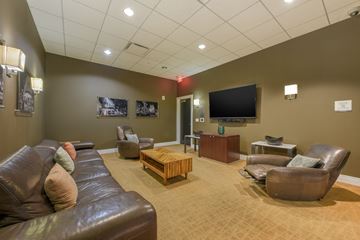
Affinity at 2M Street
2 M Street NE, Washington, DC, 20002
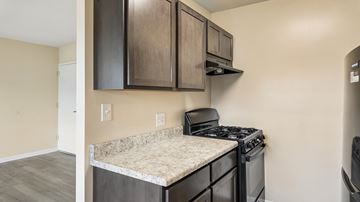
Howard Hill
1341 Howard Road SE, Washington, DC, 20020
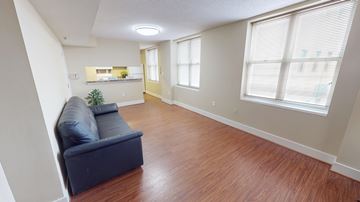
N Street Village
1301 14th St NW, Washington, DC, 20005


The Biltmore Apartments
1940 Biltmore Street Northwest, Washington, DC, 20009
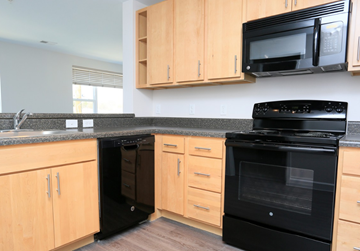
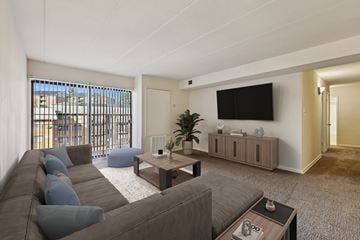
Washington View
2629 Douglass Rd SE, Washington, DC, 20020
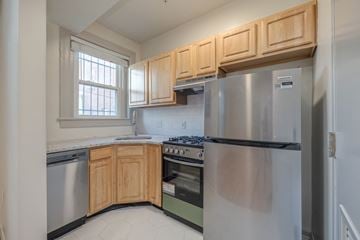
.jpg?width=360&quality=80)
.jpg?width=360&quality=80)
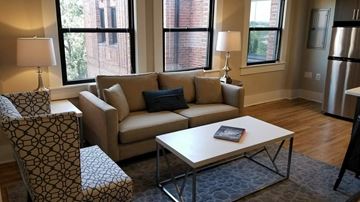
Petworth Station
940 Randolph St NW, Washington, DC, 20011
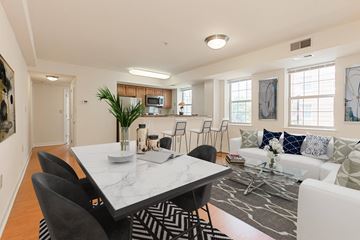
Third & Rhode
230 Rhode Island Ave NE, Washington, DC, 20002
.jpg?width=360&quality=80)
Columbia Plaza
2400 Virginia Avenue NW, Washington, DC, 20037
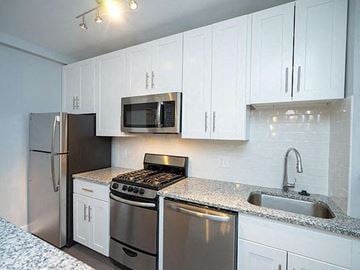
The Catherine
1440 Chapin Street, NW, Washington, DC, 20009

The Stanton
816 E Street NE, Washington, DC, 20002


The Elaine
3210 Wisconsin Ave. NW, Washington, DC, 20016

South Cathedral Mansions
2900 Connecticut Avenue, NW, Washington, DC, 20008
Get to know Washington, DC
See what’s nearby
Average rent in Washington
In Washington, the average rent is $2,447 per month, with the average rental size around 746 square feet. Most renters here pay between $2,000 - $2,500, making it the most common rent bracket in the area.
- Under $1,000
- 0.4%
- $1,001 - $1,500
- 9.7%
- $1,501 - $2,000
- 25.4%
- $2,001 - $2,500
- 27.4%
- $2,501 - $3,000
- 16.5%
- Over $3,000
- 20.6%
Average utility cost in District of Columbia
In District of Columbia, renters typically spend around $471 per month on utilities, with costs ranging from $35 for internet to $124 for electricity, depending on factors like home size, season, and usage.

$124

$122

$41

$85

$64

$35
Think bigger. Search wider
Neighborhoods people love
- Georgetown apartments for rent
- Dupont Circle apartments for rent
- Capitol Hill apartments for rent
- Bellevue apartments for rent
- Glover Park apartments for rent
- Mclean Gardens apartments for rent
- Forest Hills apartments for rent
- Woodley Park apartments for rent
- Mount Pleasant apartments for rent
- Shaw apartments for rent
- Brentwood apartments for rent
- Trinidad apartments for rent
- Knox Hill apartments for rent
- Cleveland Park apartments for rent
- Manor Park apartments for rent
- Pleasant Hill apartments for rent
- Deanwood apartments for rent
- Bloomingdale apartments for rent
- Langdon apartments for rent
- Buena Vista apartments for rent
- Park View apartments for rent
Need a rental nearby? With Point2Homes, you can quickly browse listings for great apartments and single-family homes near your current location. Narrow down listings by price, number of bedrooms, outdoor space, or pet-friendliness. On your phone or desktop, it’s easy to find the right home near you or anywhere in the U.S. Start your local rental search now.
Renter’s City Guide to Washington
Introduction
Serving as the capital city of the U.S., Washington, D.C. holds a central role at the very heart of federal politics and is known for its deep connection to the nation’s history.
How big is Washington, D.C.?
The vibrant city of Washington, D.C. is actually quite small in terms of size at only 68.34 square miles. In fact, it’s considered to be smaller than almost any major capital city. Despite this, it is the sixth-most populous metro in the U.S., after surpassing the Philadelphia area.
Where is Washington, D.C. located?
The city is located four hours from New York City, three hours from Philadelphia and one hour from Baltimore.
What is the weather like in Washington, D.C.?
Washington, D.C. has a typical mid-Atlantic climate and experiences all four seasons. Spring lasts from March through mid-May; summer — with its humid climate and frequent thunderstorms — lasts from June through August; autumn is from September through November; and winter lasts from December through February, averaging 15 inches of snowfall per season. The hottest month is July with an average temperature of 80°F and the coldest month is January, with 38°F, on average.
What are the advantages of living in Washington, D.C.?
The young, diverse population; evolving cultural scene; abundance of historical sites; and myriad of free things to do in the city are some of its finest features.
What are the disadvantages of living in Washington, D.C.?
The high cost of living in the city and the lack of jobs in certain industries — such as entertainment and creative services — are some of the greatest disadvantages of living in the city, despite the fact that some sectors — like the federal government, business consulting and tourism — are robust and consistently hiring.
Expenses & Housing Stats
What is public transportation like in Washington, D.C.?
Local public transit is ensured primarily by buses and the Metrorail subway system, both of which service the downtown core and extend into Maryland and northern Virginia.
How much does public transportation cost in Washington, D.C.?
Standard bus fares cost $2 one-way, while the charge for metro rides varies by the time of day and the number of stops. During peak hours, fares range from $2.25 to $6 per trip, while this interval is between $1.85 and $3.85 during off-peak hours.
What is the average commute time in Washington, D.C.?
The average commute time in Washington, D.C. is currently 43 minutes, which is much higher than the national average of 27 minutes. However, more than 70% of the city’s workers commute from across the Maryland or Virginia state lines.
How much does a meal cost in Washington, D.C.?
A three-course meal for two at a mid-range restaurant costs $80, on average, while a regular cappuccino is priced at $4.63.
How much do utilities cost in Washington, D.C.?
Basic utilities (including heating, cooling, water, garbage and electricity) cost $149.18, on average, for a 915-square-foot apartment, which is just below the national average of $159.90.
Washington Housing Statistics
- 5,295 Single-family detached homes
- 16,230 Attached homes or townhouses
- 188,751 Apartments, ranging from smaller complexes with 2-4 apartments (25,642) to larger communities with 10 or more apartments (119,668)
Among all the available rental units in Washington, 12% are houses for rent (either detached or attached), and 88% are apartments.
Jobs & Education
Where to work in Washington, D.C.?
As one of the most visited cities in the U.S., Washington currently receives more than 20 million visitors yearly, which means that the tourism and hospitality sectors play an important role in local employment. The city’s economy is tied to government and politics, which makes Washington, D.C. a hub for careers in government, law, lobbying, international business, public relations and news media. Local universities and hospitals are also some of the largest employers in Washington, offering steady education and healthcare opportunities to residents.
What are the top companies in Washington, D.C.?
The Advisory Board Company, Fanny Mae and Marriott Hotels & Resorts are all headquartered in Washington, D.C. and are some of the largest companies in the city beyond federal government agencies and congressional offices. Plenty of other companies have satellite branches in the Washington, D.C.-Maryland-Virginia metropolitan area.
What is the public school system like in Washington, D.C.?
The local school system supports nearly 50,000 students at the primary and secondary levels, as well as an additional 40,000 students attending 114 tuition-free public charter schools in the city that are operated by nonprofit organizations. Families in the Washington, D.C. area have numerous educational environments and opportunities to choose from, with public and public charter schools boasting language immersion programs, arts education and STEM curricula, among others.
What are the top colleges in Washington, D.C.?
American University, Catholic University of America, George Washington University and Howard University are some of the largest undergraduate and graduate institutions in the city. Three medical schools and six law schools are also located within the city’s borders. Washington, D.C. is also home to the only U.S. university accommodating deaf or hard-of-hearing students: Gallaudet University.
Washington Employment Statistics
| Y-o-Y Change | ||
| White Collar | 356,321 | 1.3% |
| Blue Collar | 18,669 | -4.4% |
| Y-o-Y Change | ||
| Self Employees | 28,016 | 1.1% |
| Private Companies | 170,330 | 0.3% |
| Governmental Workers | 98,658 | 1.0% |
| Not for Profit Companies | 77,986 | 2.4% |
Washington Education Statistics
Washington Household Statistics
Lifestyle & Renting Tips
What are the main points of interest in Washington, D.C.?
The National Mall — running from the Capitol Building through the Washington Monument right to the Lincoln Memorial — is one of the most popular attractions in the city.
What family attractions are there in Washington, D.C.?
Families with children can enjoy many amazing activities in the city, including visiting the Smithsonian Institution’s 19 museums (many of which are free) and the National Zoo.
What sports events are there in Washington, D.C.?
The Washington Capitals hockey matches make for a fun outing for families and couples alike. The Washington Nationals baseball games and the Washington Redskins football games also tend to attract quite a crowd.
What cultural attractions are there in Washington, D.C.?
The Library of Congress, DAR Constitution Hall and the Shakespeare Theater Company’s Harman Hall are some important local cultural attractions. The latter is located next to Verizon Center, one of the largest and most successful sports and entertainment venues in Washington, D.C. Washington is also known for its growing theater and live music scenes, as well as its stately, historic performance venues. Among these, The John F. Kennedy Center for the Performing Arts presents more than 2,000 performances yearly; is home to the National Symphony Orchestra and Washington National Opera; and is known for the Kennedy Center Honors.
What outdoor attractions are there in Washington, D.C.?
Abundant green spaces and lush public parks ensure ideal conditions for walking, jogging, pursuing various types of recreational activities, and playtime with pets and children. The National Mall is one of the largest outdoor attractions in the city, but the Constitution Gardens, East Potomac Park, Meridian Hill Park and Rock Creek Park are similarly impressive.
Where to shop in Washington, D.C.?
Washington, D.C. is home to the largest retail development in the nation’s capital — the DC USA shopping mall located in the Columbia Heights neighborhood, which is home to shopping giants such as Target, Best Buy and Bed Bath & Beyond. Despite this, large retail complexes are outnumbered by individual storefronts in Washington, D.C. because the majority of large shopping malls can be found in nearby Maryland and northern Virginia.
What to know about renting in Washington, D.C.?
New renters in Washington, D.C. can turn to the tenant advocate office — operated by the Washington, D.C. mayor’s office — for resources about local rental laws. Renters are advised to be vigilant of their rights.
What are the main obligations of landlords in Washington, D.C.?
Legally, security deposits in the city can be the equivalent of a maximum of one month’s rent. Landlords may implement automatic annual rent increases once in a 12-month period in accordance with the Consumer Price Index and must provide a 30-day written notice in advance about the increase. Landlords are required to give tenants proper notice to vacate the premises if any issues arise or if the lease is violated. Violations can include illegal activity; the sale or conversion of the property; or renovations and demolition works that can be unsafe for other residents. Additionally, Washington, D.C. law states that any clause in the lease indicating that you can be evicted without notice (unless it is for non-payment of rent and the tenant has explicitly waived their right to receive notice in their lease) is invalid in the city.